More and more we’re meeting people in the area who want to start hosting. Cabins, farmhouses, campsites of many descriptions- but fairly often we get the sense that there is a fear of being competitors. But now that we have a few hosting seasons under our belt, we know that doesn’t have to be anything to be afraid of.
Instead of viewing nearby sites as competition, we think of them as partners in building a stronger regional glamping destination. By working together, we can attract more visitors, improve offerings, and create a sense of community that benefits everyone.
Here are some creative, practical ways to collaborate with other glamping campsites in your area.
1. Create a Regional Glamping Trail or Network
One of the most effective ways to collaborate is by creating a glamping trail or regional network. Think of it like a wine trail, but for glamping.
Each campsite can highlight its unique style—maybe one specializes in rustic cabins, another in safari tents, another in treehouses—and together you create a route that encourages travelers to visit multiple destinations.
This kind of collaboration benefits everyone:
- It turns your area into a glamping destination, not just a single stop.
- It encourages longer stays and return visits.
- It opens up opportunities for joint marketing—shared brochures, maps, and social media features.
You can even create a shared website or social media page that features all participating campsites, with links to each booking page. That way, visitors see the region as a cohesive, must-visit glamping hub.

2. Host Seasonal or Themed Events Together
Collaborative events are a fantastic way to draw in guests, especially during slower seasons when bookings might dip.
Imagine a “Fall Fires & Foliage” weekend, where each campsite offers something special—pumpkin carving at one site, a cider tasting at another, and a guided hike at a third. Guests could stay at one location but travel between sites.
Other ideas include:
- Winter Glamping Festival – with cabin stays, hot cocoa bars, and snowshoeing trails.
- Spring Reawakening Retreat – a weekend of yoga, nature walks, and local wellness experiences.
- Summer Star Party – sites team up with local astronomers to be in the know about celestial events and to host stargazing nights.
- Regional Music Fest Weekend For us, it’s Birdstock in July!
When campsites collaborate on events, they can share marketing costs, pool their creativity, and offer guests a richer experience.
3. Cross-Promote Each Other on Social Media and Websites
Social media collaboration is easy, free, and effective. If you and other glamping hosts share similar audiences, it makes sense to boost each other’s visibility.
Here are a few ways to do it:
- Share each other’s posts or stories about events, special deals, or new builds.
- Create collaborative reels featuring highlights from all the local sites.
- Write blog posts or travel guides that link to each other’s pages. That’s coming soon in this blog 🙂
For example, if your glampsite focuses on families, and another nearby site caters more to couples or adventure travelers, you can refer guests who might not fit your style. This builds goodwill and strengthens your local network.
4. Share Suppliers and Resources
Glamping often requires specialized materials and services—like firewood, laundry service, well service or outdoor furnishings. Instead of sourcing everything alone, neighboring campsites can share suppliers or place bulk orders to save money. We did this when we installed our well. We partnered with our neighbor, both had a well dug, and both got a discount!
It can make a lot of sense to:
- Share maintenance services or equipment, like mowers, ATVs, or water pumps.
- Hire the same local cleaning crew to handle turnovers between sites.
- Coordinate firewood delivery, waste collection, or laundry services.
By pooling your resources, you reduce costs and support local businesses at the same time.
5. Develop a Local Booking Partnership
Some guests love to hop between different experiences. Maybe they want a few nights in a cabin, then a couple in a canvas tent by a creek. If you and nearby campsites offer different setups, consider creating a multi-site booking option.
You could market it as a “Glamping Circuit” or “Wilderness Week” package:
- Guests book through a shared page and stay at multiple locations over a week.
- Each site handles its own bookings but agrees on shared pricing and amenities.
- Offer small perks for those who visit more than one site, such as local gift baskets or guided experiences.
This approach encourages travelers to explore more of your region, while you and your neighboring sites benefit from cross-traffic.
6. Collaborate on Marketing and Advertising
Advertising is expensive—especially for small, family-owned glamping operations. But when you team up with other local hosts, you can share costs and maximize reach.
Consider:
- Running joint ads in local tourism magazines or online travel guides.
- Sharing a booth at local travel expos, fairs, or outdoor festivals.
- Pitching travel writers or influencers on covering your region as a glamping destination.
You can also collaborate with your local tourism board or chamber of commerce to feature glamping as part of regional marketing campaigns. By working together, you’ll have more resources to reach a wider audience.
7. Offer Referral Discounts or Loyalty Programs
If your area has several small glampsites, you can create a referral network. When one site is fully booked, guests can be referred to another participating site—and receive a small discount or bonus for booking within the network.
It’s a win-win:
- Guests find availability without having to start their search over.
- Sites build goodwill and avoid losing potential bookings to faraway competitors.
- Repeat travelers may return to try a different site in your network each time.
This kind of loyalty program fosters collaboration and builds long-term relationships with guests.
8. Share Knowledge and Skills
Running a glamping business requires expertise in everything from hospitality to plumbing to marketing. When nearby hosts share knowledge, everyone benefits.
You might host informal “glamping roundtables” or meet-ups where you:
- Discuss challenges like water systems, zoning laws, or reservation platforms.
- Share success stories or lessons learned.
- Exchange contacts for reliable local contractors or artisans.
You can even host skill-sharing days—maybe one owner gives a workshop on solar lighting setups, another demonstrates how to create outdoor kitchens, and another leads a session on SEO for small businesses.
Building a supportive network helps everyone stay inspired and resilient.
9. Team Up for Environmental Stewardship
Glamping guests often choose the experience because they value nature and sustainability. Collaborating with other sites on environmental initiatives can make your region stand out as an eco-friendly destination.
Some ideas include:
- Hosting joint cleanup days for local trails, rivers, or campsites.
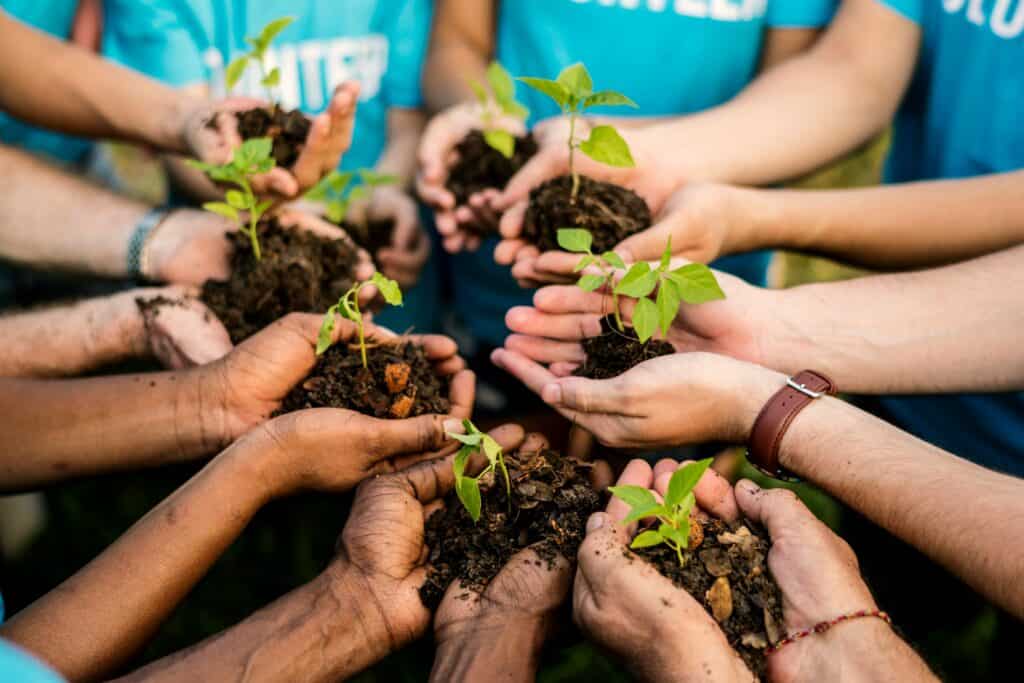
- Partnering on wildlife habitat restoration or tree-planting projects.
- Sharing best practices for composting, recycling, and renewable energy.
You could even create a “Green Glamping” certification for your region, highlighting your shared commitment to eco-conscious hospitality.
10. Collaborate with Local Businesses Together
Beyond working with other glampsites, join forces to collaborate with nearby small businesses. When several glampsites coordinate, you can negotiate better deals or create more impactful packages.
For instance:
- Team up with local wineries, breweries, or farms for tasting tours.
- Work with outdoor guides to offer kayak trips, fishing lessons, or nature hikes.
- Partner with local artisans for in-cabin gift baskets or on-site craft workshops.
If every glampsite in your area supports these same local partners, you help strengthen the entire community—and guests get an authentic, immersive experience.

11. Build a Shared Brand Identity for Your Region
When multiple glamping campsites unite under one shared identity, you create a brand that travelers remember.
For example, you might brand your region as:
- “The Black Creek Glamping Corridor”
- “The Finger Lakes Glamping Collective”
- “The Southern Tier Outdoor Retreat Trail”
Create a logo, tagline, and shared story that highlights what makes your area special—its natural beauty, family-owned businesses, or historic roots. Then use that identity consistently across websites, social media, and local tourism materials.
This creates a sense of place that draws in visitors from far beyond your immediate area.
12. Support Each Other During Challenges
Sometimes collaboration is less about business strategy and more about community. Whether it’s helping each other recover from storm damage, lending tools or supplies, or sharing advice during slow seasons, nearby glampsite owners can be each other’s greatest allies.
Running a glamping site can be isolating at times—but knowing you have others in the same boat nearby makes a huge difference.
You might even create a group chat or Facebook group where local hosts can check in, share updates, and lend a hand when needed.
Final Thoughts
Collaboration isn’t about losing business—it’s about building something bigger together. When glamping hosts in the same area work as a team, they create a destination that draws more visitors, generates stronger word-of-mouth, and builds a reputation for hospitality and community.
Whether it’s sharing suppliers, hosting joint events, or simply recommending each other to guests, cooperation strengthens not only your business but the entire region.
At the end of the day, glamping is about connection—to nature, to simplicity, and to one another. By connecting with other campsite owners, you keep that spirit alive and help your corner of the world shine a little brighter.
.
.
.
Photo by Shane Rounce on Unsplash
Photo by Nick Fewings on Unsplash
Photo by youssef naddam on Unsplash