OK, full disclosure. This blog post is just barely in under the wire. The rule is one a week, and this will be published with three hours to spare. What can we say? We procrastinated, so Saturday night is spent writing. Luckily, it’s a labor of love!
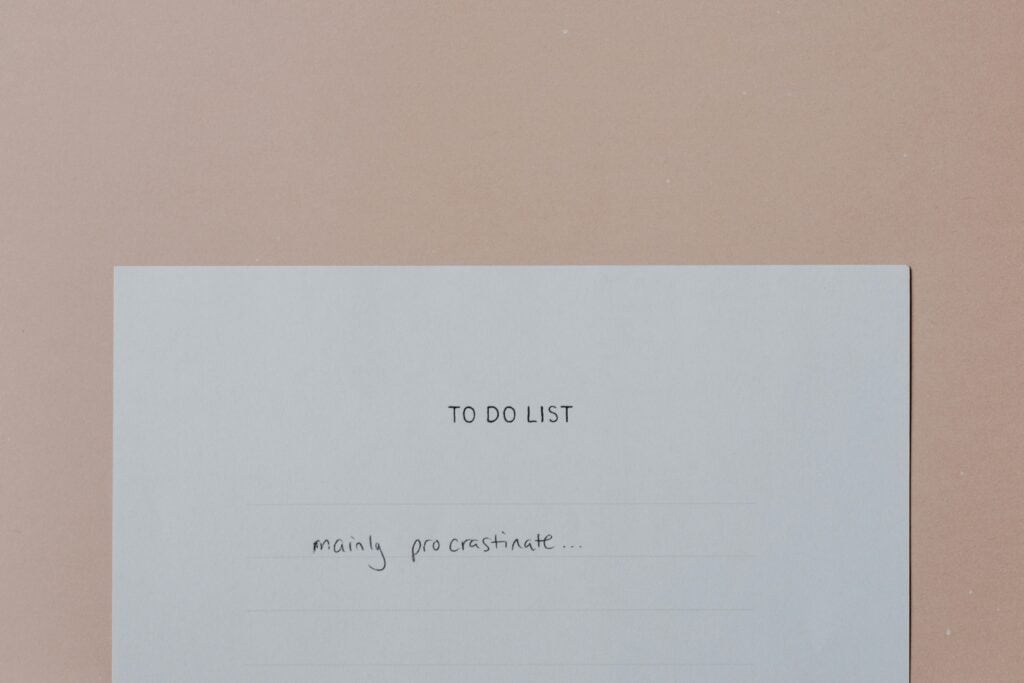
Let’s be honest—sometimes procrastination sneaks in. With hosting, maybe you put off the yard work, delay setting up an online booking calendar, or wait until the last minute to post on social media. Before you know it, small tasks pile up, stress builds, and you’re left feeling behind.

As it is with everything, if you want your glamping site to thrive, learning how to overcome procrastination is just as important as choosing the right motif or coming up with the perfect online pitch. In this article, we’ll explore why procrastination happens, how it affects your campsite hosting, and practical strategies to stop putting things off.
Why Glamping Hosts Procrastinate
It’s easy to think procrastination means laziness, but that’s rarely the truth. Often, procrastination is a coping mechanism when tasks feel overwhelming, unclear, or uncomfortable. For campsite hosting, here are some common reasons procrastination shows up:
- Overwhelm from wearing many hats
As a host, you’re not just the property owner—you’re the cleaner, repair person, marketer, bookkeeper, and customer service rep. With so many tasks competing for attention, it’s tempting to delay the ones you don’t enjoy. - Perfectionism
You may want every detail at your campsite to be flawless before you launch or share it online. The trouble is, waiting for “perfect” often means you don’t take action at all. - Fear of failure (or success)
What if your campsite isn’t popular? Or what if it becomes too popular and you can’t keep up? These doubts can lead to hesitation and avoidance. - Lack of structure
Without a clear plan or schedule, it’s easy to drift into “I’ll get to it tomorrow.” Hosting a glamping site often means self-managing, and without deadlines, procrastination can become the default.

The Costs of Procrastination in Campsite Hosting
When you delay tasks, it doesn’t just affect you—it impacts your business and your guests.
- Guest experience suffers. If the cabins aren’t spotless, the firewood isn’t stocked, or check-in instructions aren’t clear, guests notice. A negative review can hurt far more than a short-term inconvenience of getting the job done.
- Missed revenue opportunities. Waiting to update photos, adjust pricing, or launch promotions can mean empty nights that could have been booked.
- Stress piles up. The longer you delay, the heavier the task feels. Soon, even small jobs seem enormous.
- Maintenance costs rise. Ignoring small repairs often leads to bigger, more expensive problems later.
- Growth slows. Procrastination keeps you reactive instead of proactive. Instead of dreaming up new offerings or expansions, you’re stuck catching up on yesterday’s tasks.
How to Stop Procrastinating as a Campsite Host
The good news? Procrastination isn’t permanent. With the right strategies, you can shift from delay into steady, confident action. Here are practical ways to stay on track with your glamping site:
1. Break Big Tasks into Small Steps
When you look at “build a bathroom” or “revamp the website,” it feels enormous. Instead, break it down:
- Research toilets.
- Price out materials.
- Choose flooring materials.
Each step becomes more manageable, and progress fuels motivation. And there’s something amazingly satisfying about finding an old to-do list that you’ve knocked out of the park.
2. Use the “Two-Minute Rule”
If a task takes less than two minutes—like answering a guest inquiry, wiping down a counter, or restocking matches—do it immediately. This prevents micro-tasks from piling up into a mountain.
3. Set Deadlines (Even Self-Imposed)
Campsite hosting is seasonal, and certain tasks are time-sensitive—like winterizing pipes or mowing before a busy weekend. Set deadlines for each job, even if no one is holding you accountable. Write them on a calendar and treat them as non-negotiable. Our example? We tell ourselves we WILL publish a blog post every week no matter what, and here we are getting it done!

4. Prioritize Tasks with a Daily List
Start each day by identifying three top priorities. Maybe it’s cleaning a cabin, responding to a guest, and updating your Instagram account. Focus on those first before tackling smaller chores.
5. Tackle the Hardest Task First (“Eat the Frog”)
If there’s one job you keep avoiding—like deep-cleaning the communal bathroom or troubleshooting your online booking system—do it first thing in the morning. The relief of getting it done will free up mental energy for the rest of the day.
6. Create Systems and Routines
Procrastination thrives on uncertainty. Build predictable routines for recurring tasks:
- Mondays: check and clean all cabins.
- Wednesdays: schedule social media posts.
- Fridays: restock supplies.
Systems reduce decision fatigue and make action automatic.
7. Remove Distractions
When you’re supposed to be raking trails or checking smoke detectors, your phone can quickly pull you into endless scrolling. Set designated work hours where you silence notifications and focus fully on the task at hand.
8. Reward Yourself for Progress
Motivation grows when you pair work with rewards. Finish updating your campsite website? Treat yourself to a quiet coffee by the firepit. Knock out all cleaning before check-in? Take a short hike.

9. Shift Your Mindset from “Have To” to “Get To”
Instead of dreading tasks, remind yourself:
- You get to create a magical experience for guests.
- You get to work outside instead of in a cubicle.
- You get to build a business around your lifestyle.
Gratitude helps turn chores into purposeful action.
10. Use Accountability Partners
Tell a friend, family member, or fellow host about your goals. For example: “By Friday, I’ll have painted the cabin porch.” Having someone check in with you adds gentle pressure to follow through.
11. Batch Similar Tasks
Instead of cleaning one cabin, then switching to computer work, then back to physical chores, group tasks together. Batch cleaning all spaces at once or schedule all your digital updates in one session. This efficiency reduces procrastination caused by constant context-switching.
12. Visualize the Outcome
Imagine a guest walking into a spotless tent with perfect lighting, or picture reading a glowing review that praises your hospitality. Focusing on the reward helps push through the resistance of starting.
13. Keep Learning and Improving
Sometimes procrastination happens because you don’t know how to do something. Maybe you’ve delayed setting up online payments because the tech feels intimidating. Invest time in tutorials, online groups, or even hiring help. The confidence of knowing how reduces avoidance.
14. Accept “Good Enough”
Perfectionism is a sneaky form of procrastination. While high standards are important in hospitality, remember that most guests aren’t inspecting every nail or blade of grass. Aim for consistent quality, not impossible perfection.
15. Reflect on Your Why
Why did you start your glamping site? Maybe it was to spend more time outdoors, create extra income, or share your land with travelers. Reconnecting with your bigger “why” reignites motivation when procrastination drags you down.
Building a Proactive Hosting Mindset
Procrastination will always try to sneak back in, but the more you build proactive habits, the less power it has. Hosting a glamping campsite isn’t just about providing shelter—it’s about creating an environment where guests feel cared for and you feel proud of your work.
By breaking tasks down, setting routines, holding yourself accountable, and focusing on your “why,” you’ll find yourself taking consistent action. And every action, no matter how small, adds up to a smoother operation, happier guests, and a thriving business.
Know any other procrastination beating hacks? Comments and ideas always welcome!
.
.
.
Photo by Annie Spratt on Unsplash
Photo by Annie Spratt on Unsplash
Photo by Shamia Casiano on Unsplash
Photo by Towfiqu barbhuiya on Unsplash