The Comparison Trap: How To Avoid Getting Caught as a Glampsite Host
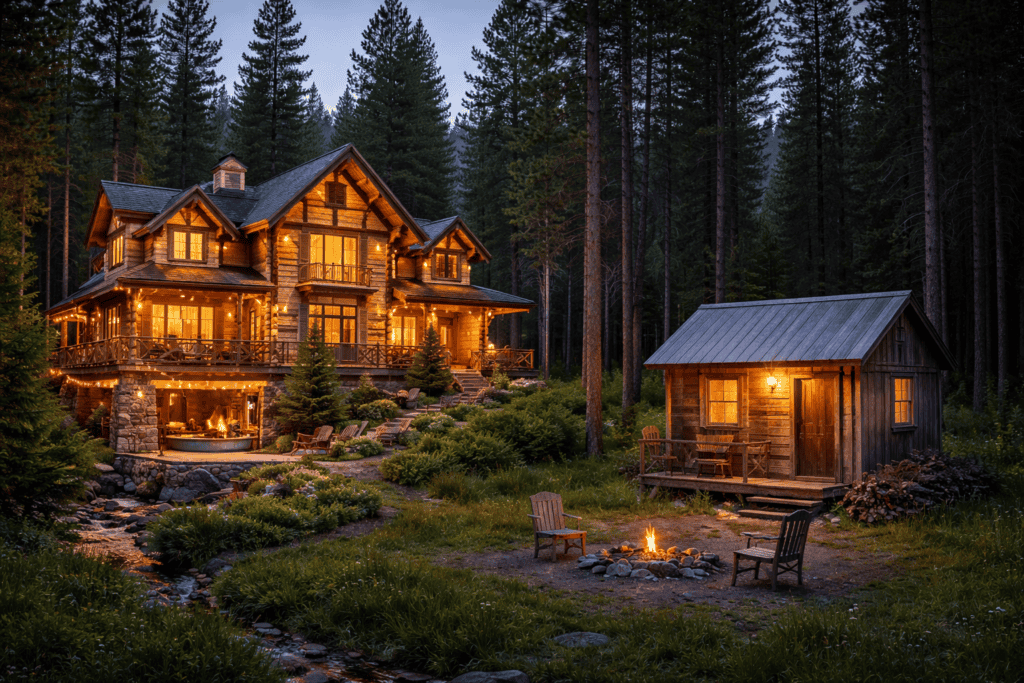
If you run a glampsite, or dream of building one, you’ve probably experienced this. You’re driving down the road, scrolling listings, or talking with another host, and your brain starts doing comparison math. They have five cabins.They have private bathrooms.They’ve got hot tubs, playgrounds, a pool.Their photos look incredible. And then you ask: Am I behind?Am I kidding myself?Is my place good enough? It’s a very natural reaction, but it can also be one of the biggest pitfalls in the glamping business. Recently I was reminded of this during a conversation at the gym. A guy I just met runs a cabin rental property. His cabins are beautiful. Each one has its own bathroom and shower. The place is professionally finished and clearly well built. Like a little development away from home. He also happens to own a construction company. Which means when he decides to build something, he already has equipment, tools, and a full crew ready to go. Meanwhile, I’m over here sketching ideas on scrap paper, hauling materials one pickup load at a time, and sometimes learning as I go. For a minute it was easy to think: How do I compete with this guy? But then I realized that we’re not playing the same game. Different Starting Lines One of the easiest mistakes glampsite hosts make is assuming everyone else started where they did. Not true. Some hosts start with: • Construction companies• Crews and equipment• Existing buildings• Large investment capital• Property that already has utilities installed Others start with: • A chainsaw• A shovel• A pickup truck• A dream It’s all relative, and you have to remember to be kind to yourself. And not every guest is looking for the same thing. Apples and Oranges Not long after the gym conversation, I passed another cabin rental property that I knew of while heading to the land. From the road you can see several cabins close together, lined up in rows and surrounded by lawn. There was a pool. A playground. Lots of visible amenities. It looks like an extremely fun place for families. And then the comparison voice said:. They’ve got so many more features. They can host so many more people. They’ve got a pool. And is that a tennis court, for crying out loud! But then I took a breath and thought: Some people want to be secluded, with not a ton of people around. They want a private firepit and want to walk along a creek and splash in the water. They want to feel like they’re at their own place. Grand is amazing, but sometimes you just want to get off the grid. Staying True to Your Vision The real danger of comparison isn’t just the feeling it creates. It can make you take your eyes off your own paper and start thinking: Maybe I need hot tubs.Maybe I should build faster.Maybe I need more cabins. All of that is great, but before long, the original vision that excited you can begin to shift. You’re no longer building the place you dreamed about. You’re building a reaction to someone else’s property. And that can lead you far away from what made your land special in the first place. The Truth About What Guests Actually Want When we first started hosting guests, I assumed people wanted as many amenities as possible. But something interesting kept happening. Guests rarely talked about the things I thought they would. Instead, they talked about: The quiet. The sound of the creek. The stars at night. The smell of the pines. Sitting by the fire. The things that mattered most were often the things that couldn’t be installed with a hammer or with cash. Nature was doing most of the work. Our job was simply to create a place where people could slow down enough to experience it. Every Property Has Its Own Personality Every piece of land has a personality. Some are open and sunny. Some feel like luxury hotels. Some feel like forests. Some feel like farms. Some feel like a hidden retreat. The mistake is trying to make your property act like someone else’s. If you try to turn a quiet woodland retreat into a loud resort experience, you might accidentally destroy the very thing that made the land special. A better question to ask is: What does this land want to be? For us, the answer feels pretty clear. Tall hemlocks. A winding creek. Fireflies in summer. Owls and frogs at night. A sky full of stars. We let the land decide, and leaning into that has made all the difference. Remember Why You Started Whenever comparison creeps in, it helps to remember why you started this journey. For many hosts, the goal wasn’t to compete with the biggest properties. It was to build something meaningful. A place where people can slow down. A place where families reconnect. A place where someone can sit by a fire and remember what quiet feels like. Those experiences don’t require the biggest cabins or the longest list of amenities. They require thoughtfulness, care, and patience. Excitement for Fellow Hosts Beats Envy Every Time If you’re building a glampsite right now, take it easy on yourself. It’s easy to look around and see what others have already built. But we all have our own starting point and our own road. It’s important to remember why you started this journey. Our wish for you is that you and to enjoy it every step of the way. Happy hosting! . . . Photo by Soyoung HAN on Unsplash Photo by Brett Wharton on Unsplash Photo by Evan Wise on Unsplash Photo by Ben Eaton on Unsplash
As the New Year Begins: A Reset Moment for Glamping Campsite Hosts

Happy New Year! As 2026 begins, a message to current and would-be glampsite hosts: it’s normal to be really really tired this time of year! You’ve put in the laps, connected, have built great experiences for others. Once the fireworks fade, we wish you peace and quiet for a while. And with that peace and quiet (be assured it won’t last long!), is time to reflect, to be grateful, and to prepare for the road ahead. Reflection and Resolution Even if your campsite shut down for the season a couple months ago, there still hasn’t been much time to sit still. Now that the holiday season is wrapping up, there’s an opportunity to step back and ask: For many hosts, the answers come slowly – during walks around the property, or when reviewing photos from earlier in the year and remembering how it all started. This is Personal, Whether You Planned It or Not Most people get into glampsite hosting because they love their land, creativity, hospitality, and the idea of building something meaningful. By the end of the year, that personal investment shows. Every host can point to moments of frustration and doubt as well as moments that made all the effort feel worth it. The New Year becomes a natural checkpoint—to reflect on where you’ve been and where you’re headed. Quiet Season Clarity One of the gifts of the New Year is quiet. The phones ring less.The inbox slows.The land rests. In that quiet, hosts can hear their own thoughts again. Realizations might follow, such as: Financial Reality Check The New Year also brings numbers into focus. Revenue.Expenses.How much time was exchanged for income. Numbers instead of feelings. It can be eye opening. This is an opportunity to get clear r/e what success actually means for you. For some, it’s growth. For others, it’s stability. And for many, it’s making the operation easier to run. Physical and Emotional Work It’s normal for hosts to have conflicting feelings this time of year. Pride in what they built.Relief that the season is over.Anxiety about next year.Excitement for new ideas.Exhaustion. Hosting is emotional work. You’re creating a space for other people’s experiences. That weight of that responsibility accumulates over time. The New Year is when many hosts finally allow themselves to feel it. Asking hard questions, like: These aren’t signs of giving up. They’re signs of growth. Planning Without Pressure Unlike traditional businesses, glamping operations are deeply tied to seasons, weather, and unpredictability. The New Year planning process looks different. Many hosts focus on: The most effective plans are often the simplest: More isn’t Always Better As the New Year approaches, it’s tempting to think in terms of “more”: But seasoned glamping hosts often reach a different conclusion by year’s end. They realize that: The New Year becomes a chance to choose better, not bigger. Redefining Success for the Coming Year Every host’s version of success changes over time. For newer hosts, success might mean validation—proof that this idea works. For experienced hosts, it often shifts toward sustainability. As the New Year approaches, many glamping hosts redefine success as: These are goals that can last. The Internal Reset There’s a quiet reset that happens for hosts every New Year. It’s the decision to keep going.To adjust.To try again.To trust what you’ve learned. Glampsite hosting asks you to be present, adaptive, and resilient. The New Year offers a chance to renew perspective. A Happy (and Realistic) New Year Here’s to another year of passion for the land you’re caring for, of looking at what you’ve built, and deciding—once again—that it’s worth continuing. Happy New Year!! . . . Photo by Yaroslav Talyzin on Unsplash Photo by Tim Mossholder on Unsplash Photo by Kate Shashina on Unsplash Photo by Shuayb Khan on Unsplash
A Thank You Note At the End of This Year’s Glamping Campsite Season
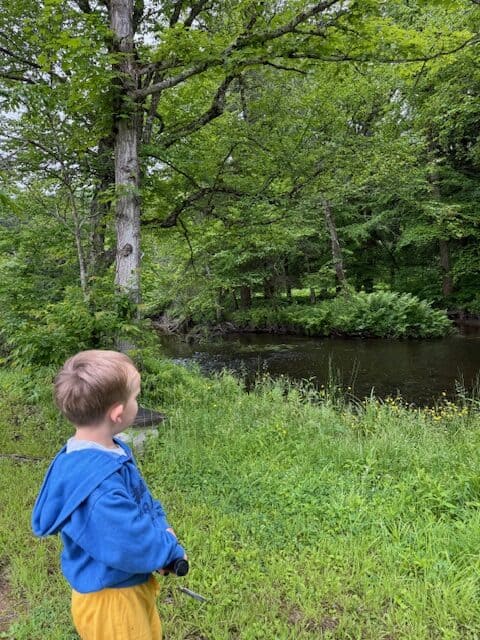
This hosting season has been amazing. As things wind down, we’re taking the time to appreciate the details. Admittedly we’ve occasionally wondered if all of the effort and time was worth it. But this year we’ve gotten a taste of what it’s like to live our inspired vision. We’re not planning. We’ re doing, and its the best feeling! So here are some of the things we’re grateful for at this point in the journey. And if some or all on the list sound good to you, maybe glamping campsite hosting could be a good fit for you too! Guests from Around the World This season we’ve had guests from Ukraine. From India. From Florida, and several other states. What a great reminder that people are the same everywhere in many ways. We all want peace and an opportunity to spend quality time together. We get to provide a place for it. Super Host Again Because we close down from November to May, we’re finding out it’s tricky to maintain Super Host status – this is based on guest ratings, response rates, and steady bookings. But because we’ve had a very busy year – almost every weekend booked- we ranked again this year. It’s all about the guests, but we’re also really grateful for the shout out from Airbnb. If only it came with a cape! Learned to Manage the New Amenities This was the first season with running water. Toilets that flush. Hot showers-inside and out. Storage for supplies and tools. It took a while to get in the groove but we got a system down. This has opened the door to an entire new group of guests – people who love being in nature but who want to be able to get clean. It took a lot to accomplish this, but this change has brought things to a whole new level. Going forward, the sky is the limit. We Hired Our First Team Member Another game changer! We hired an amazing helper – she takes pride in her work, shows investment in the overall vision, is reliable, and is a joy to work with. Having this support makes it a lot easier to maintain momentum. Thank you, Paige! A Chance to Practice Discipline- Because We Had No Choice Mowing lawns, clearing trails, building, cleaning, managing postings, doing laundry. There was only one way to get everything done – thru work and discipline. As the season ends and the tasks slow, its magic to look around, read guest’s glowing reviews and think, ‘we did it’. What a great feeling! Learned What It Takes to Blog I’ve always loved to write but at the beginning of the season I knew nothing about blogging. There is a lot more to learn but I’ve learned so much already. With 32 blog posts published so far, things are off to a good start. Blogging is an opportunity to share lessons we have learned (sometimes the hard way) and provide useful information to people on the hosting journey or thinking about it. It’s also a reason to research and to learn ourselves. We’re thankful for the opportunity to share in a unique and far-reaching way. Learned More About the Business of Hosting We’ve picked up on a few nuances that we hadn’t noticed before. We saw that, even though it’s a nice thought, giving away anything for free doesn’t always make sense. It’s very likely to lead to a lack of appreciation. We were reminded that weekends are very easy to keep filled, while weekdays aren’t. Next year it will be time to change up minimum length of stay, adjust pricing, etc. until we get it right. We also saw how much difference the little extras can make. People love the little things. Handwritten notes, extra bottles of water, extra towels, quirky decorations. We already knew this, but this season was another opportunity to see it play out. Built Excitement for the Future Success this year has built excitement for next season. We’ve marked out trails to new campsites by the water. We re going to clear, paint and build, and make things better than they ever been. It will be glorious! The winter rest will be welcome, but we’re already itching to get going again! Time With Family Most important, we’re grateful time spent with family. Seeing the next generation fall in love with the creek and with the woods is the best feeling in the world. There’s nothing like it! Next year, more and longer gatherings will be planned. We will build more and more memories with our ever-growing tribe. It’s Worth It What a blessing it is to be able to create a space that means so much to so many. Guests leave notes saying the experiences here brought their family and each other closer, that they found the peace they greatly needed, that our cabins are exactly like they’d want if their dreams could come true. At the end of the season, we are thankful that our dreams have come true. But we also know that it’s a way of travel and not a destination. And so, when the snow melts next Spring, we’ll hit the ground running, and will be loving every minute of it! It’s all worth it!
How to Stop Procrastinating as a Glamping Campsite Host
OK, full disclosure. This blog post is just barely in under the wire. The rule is one a week, and this will be published with three hours to spare. What can we say? We procrastinated, so Saturday night is spent writing. Luckily, it’s a labor of love! Let’s be honest—sometimes procrastination sneaks in. With hosting, maybe you put off the yard work, delay setting up an online booking calendar, or wait until the last minute to post on social media. Before you know it, small tasks pile up, stress builds, and you’re left feeling behind. As it is with everything, if you want your glamping site to thrive, learning how to overcome procrastination is just as important as choosing the right motif or coming up with the perfect online pitch. In this article, we’ll explore why procrastination happens, how it affects your campsite hosting, and practical strategies to stop putting things off. Why Glamping Hosts Procrastinate It’s easy to think procrastination means laziness, but that’s rarely the truth. Often, procrastination is a coping mechanism when tasks feel overwhelming, unclear, or uncomfortable. For campsite hosting, here are some common reasons procrastination shows up: The Costs of Procrastination in Campsite Hosting When you delay tasks, it doesn’t just affect you—it impacts your business and your guests. How to Stop Procrastinating as a Campsite Host The good news? Procrastination isn’t permanent. With the right strategies, you can shift from delay into steady, confident action. Here are practical ways to stay on track with your glamping site: 1. Break Big Tasks into Small Steps When you look at “build a bathroom” or “revamp the website,” it feels enormous. Instead, break it down: Each step becomes more manageable, and progress fuels motivation. And there’s something amazingly satisfying about finding an old to-do list that you’ve knocked out of the park. 2. Use the “Two-Minute Rule” If a task takes less than two minutes—like answering a guest inquiry, wiping down a counter, or restocking matches—do it immediately. This prevents micro-tasks from piling up into a mountain. 3. Set Deadlines (Even Self-Imposed) Campsite hosting is seasonal, and certain tasks are time-sensitive—like winterizing pipes or mowing before a busy weekend. Set deadlines for each job, even if no one is holding you accountable. Write them on a calendar and treat them as non-negotiable. Our example? We tell ourselves we WILL publish a blog post every week no matter what, and here we are getting it done! 4. Prioritize Tasks with a Daily List Start each day by identifying three top priorities. Maybe it’s cleaning a cabin, responding to a guest, and updating your Instagram account. Focus on those first before tackling smaller chores. 5. Tackle the Hardest Task First (“Eat the Frog”) If there’s one job you keep avoiding—like deep-cleaning the communal bathroom or troubleshooting your online booking system—do it first thing in the morning. The relief of getting it done will free up mental energy for the rest of the day. 6. Create Systems and Routines Procrastination thrives on uncertainty. Build predictable routines for recurring tasks: Systems reduce decision fatigue and make action automatic. 7. Remove Distractions When you’re supposed to be raking trails or checking smoke detectors, your phone can quickly pull you into endless scrolling. Set designated work hours where you silence notifications and focus fully on the task at hand. 8. Reward Yourself for Progress Motivation grows when you pair work with rewards. Finish updating your campsite website? Treat yourself to a quiet coffee by the firepit. Knock out all cleaning before check-in? Take a short hike. 9. Shift Your Mindset from “Have To” to “Get To” Instead of dreading tasks, remind yourself: Gratitude helps turn chores into purposeful action. 10. Use Accountability Partners Tell a friend, family member, or fellow host about your goals. For example: “By Friday, I’ll have painted the cabin porch.” Having someone check in with you adds gentle pressure to follow through. 11. Batch Similar Tasks Instead of cleaning one cabin, then switching to computer work, then back to physical chores, group tasks together. Batch cleaning all spaces at once or schedule all your digital updates in one session. This efficiency reduces procrastination caused by constant context-switching. 12. Visualize the Outcome Imagine a guest walking into a spotless tent with perfect lighting, or picture reading a glowing review that praises your hospitality. Focusing on the reward helps push through the resistance of starting. 13. Keep Learning and Improving Sometimes procrastination happens because you don’t know how to do something. Maybe you’ve delayed setting up online payments because the tech feels intimidating. Invest time in tutorials, online groups, or even hiring help. The confidence of knowing how reduces avoidance. 14. Accept “Good Enough” Perfectionism is a sneaky form of procrastination. While high standards are important in hospitality, remember that most guests aren’t inspecting every nail or blade of grass. Aim for consistent quality, not impossible perfection. 15. Reflect on Your Why Why did you start your glamping site? Maybe it was to spend more time outdoors, create extra income, or share your land with travelers. Reconnecting with your bigger “why” reignites motivation when procrastination drags you down. Building a Proactive Hosting Mindset Procrastination will always try to sneak back in, but the more you build proactive habits, the less power it has. Hosting a glamping campsite isn’t just about providing shelter—it’s about creating an environment where guests feel cared for and you feel proud of your work. By breaking tasks down, setting routines, holding yourself accountable, and focusing on your “why,” you’ll find yourself taking consistent action. And every action, no matter how small, adds up to a smoother operation, happier guests, and a thriving business. Know any other procrastination beating hacks? Comments and ideas always welcome! . . . Photo by Annie Spratt on Unsplash Photo by Annie Spratt on Unsplash Photo by Shamia Casiano on Unsplash Photo by Towfiqu barbhuiya on Unsplash Photo by – Kenny on Unsplash
Why You Shouldn’t Quit Your Glamping Campsite Dream
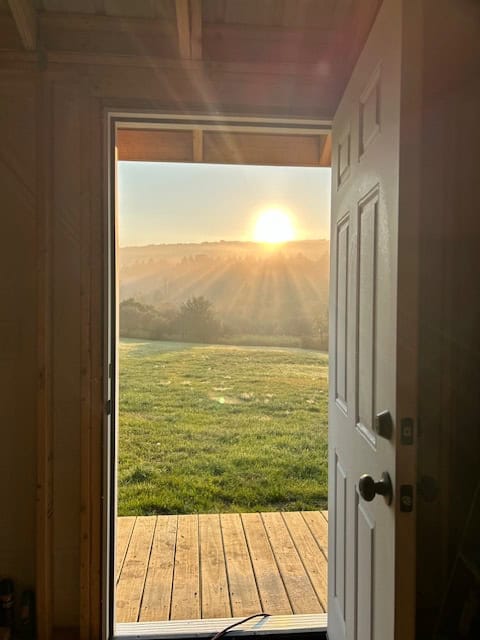
Running a glamping campsite isn’t easy. In fact, some days it can feel downright impossible. Between the endless maintenance, unpredictable guests, competition, social media pressure, weather damage, and the weight of wondering if it’s really worth it — you might start to ask yourself, “Should I just quit?” If that thought has crossed your mind, you’re not alone. But before you walk away from your vision, take a breath, step back, and remember why you started. Glamping isn’t just a business — it’s a lifestyle, a calling, and a gift to others. What to give your energy to is a very personal choice, and building and managing a glamping campsite isn’t for everyone. But if you’re on the fence, here are some reasons that it’s worth hanging in there. 1. You Built Something Amazing Wherever you started, you had a vision and you acted on it. This is something not everyone accomplishes, and an important part of life. You took a piece of land and turned it into a place people travel to for peace, adventure, and connection. Every cabin you built, every fire ring you placed, every trail you cleared was the result of a dream. You envisioned what other people might enjoy and appreciate and then you created that space for them. That kind of commitment to a vision deserves time. Even when growth is slow or bookings are down, the foundation you’ve created matters – it’s a long-term investment and can’t be easily replaced. Tip: Take photos of your site, during different seasons and during different stages in various projects. Revisit them when you’re feeling discouraged to remind yourself how far you’ve come. That feature that your guests appreciate so much wasn’t always there – you made that. 2. You’re Offering More Than Just a Place to Stay Glamping guests aren’t looking for a hotel — they’re looking for an experience. An adventure rooted partially in childhood. The crackling fire. Splashing across the creek, into the big woods. No place they have to be, but some place they get to be. A quiet morning with a mug of coffee on a deck overlooking the woods. A safe escape from every day stressors. For us, nothing is better than reading through comments left in a guest book on the windowsill. Couples falling more in love as they spend time away. Families closer than they’ve been in years. Stories filled with adventure and wonder. They say they will be back, and they’ve found the magic place they’ve been looking for. Nothing beats that. 3. Every Business Has Tough Times Running a glamping business is seasonal in more ways than one. There are high and low booking months — but also mindset seasons: motivation, momentum, burnout, self-doubt. You might go a whole month without a single booking and then get flooded with bookings. The early years are especially tough, but they’re also where the groundwork gets laid. Remember: Growth does not always follow a straight line. It’s okay to have bad weeks, or bad months. What matters is that you keep showing up. 4. The Market Is Still Healthy Glamping isn’t going anywhere and isn’t a fading trend — it’s continuing to grow. Travelers want to have unique, comfortable outdoor experiences now more than ever. From millennials wanting unique stays to families seeking screen-free vacations, glamping fills a need that hotels can’t. It’s true that competition is growing. But so is demand. With a little creativity and persistence, your campsite can still be a favorite destination. If you create a great vibe, your guests will feel it. Bonus Tip: Focus on what makes your location or story different. Family land? Stargazing potential? Local hikes? Share it online and let your story set you apart. 5. You’re Closer Than You Think People tend to quit just before things start to get better. It’s protection from the unknown, which everyone does, but its pretty backwards. Maybe your website is just starting to gain SEO traction. Maybe your next guest is going to write a review that goes viral. Maybe you’re going to tap into the perfect way to get the word out and have more business than you can handle. Momentum builds slowly — then all at once. If you’ve already put in the hard work, why not stick around and keep going so that you can see it all come together? 6. It isn’t Just You Glamping campsite hosting is off the beaten path but you are not alone. A sense of connection with other hosts makes challenges a little easier. In fact, wanting to have an opportunity to connect with other hosts and would-be hosts was a major part of why we started Glampsite Joe. Building a community, sharing lessons learned, and learning from readers has made it a great ride so far. 7. You Can Make Changes Without Quitting If something’s not working, it doesn’t mean the whole project is a bust. Maybe you need to adjust your pricing. Maybe your marketing isn’t targeting the right guests. Maybe you need to hire help with cleaning or bookkeeping. Tweaking your approach is not quitting — it’s growing. Many successful glamping sites went through multiple versions before finding their stride. Ask yourself: What specific part is draining you right now? Is there a way to simplify, delegate, or improve it? 8. Your Guests Believe in You Sometimes all it takes is one kind review, a repeat guest, or a heartfelt message in your guestbook to remember why you’re doing this. People often leave changed for the better after staying at your place — even if you don’t always get to see it. They believe in the magic you’ve created. 9. Your Family Will Thank You Whether you’re doing this to create a legacy, a side income, or a place for your family to gather — you’re building something that matters. Your children or grandchildren may one day walk those trails you cut, sleep in those cabins you built, and continue
How to Stay Connected to Loved Ones While Building a Glamping Campsite and Working Full-Time
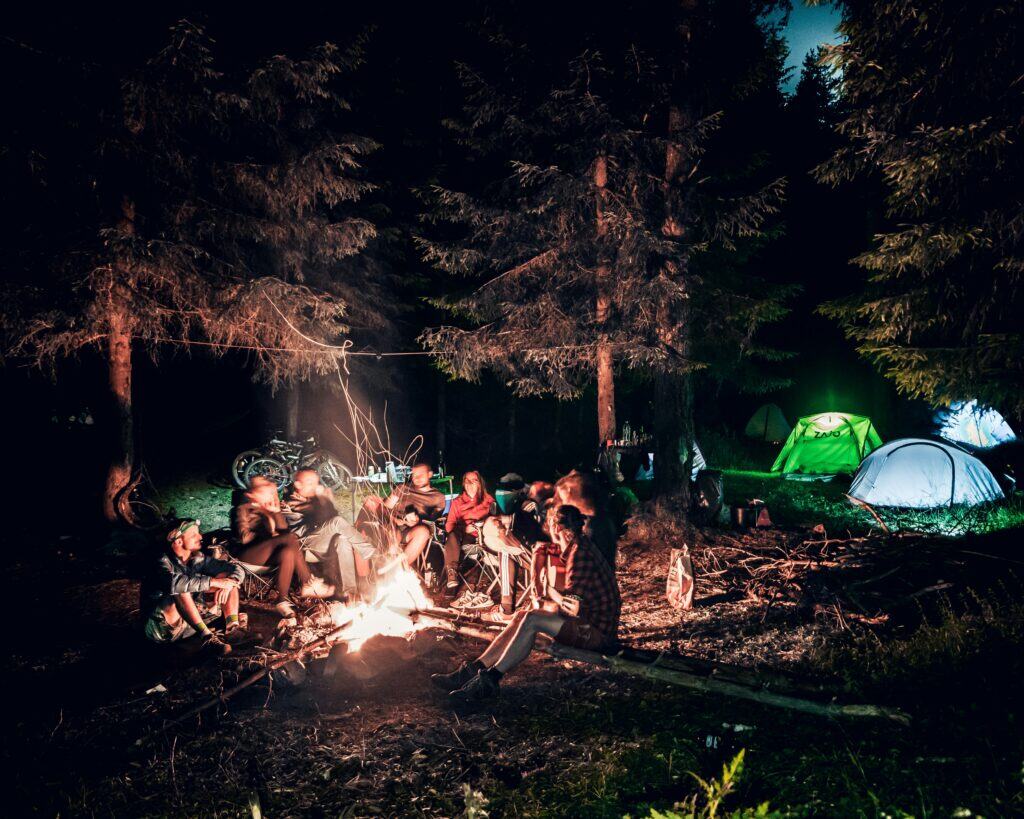
Building a glamping campsite while working full-time can be a good way to go. You want to turn your vision into reality but still need the stability and the income that a full-time job brings -but it’s important to be prepared for the time and energy it takes. Between the long workdays, endless to-do lists, and the constant push to create a space where others can relax and reconnect, it’s easy to lose touch with the very people who matter most: your family, friends, and loved ones. If you’re in the thick of building a retreat while holding down a 9-to-5 (or longer), staying connected is possible—and essential. Here are 10 real-world strategies for maintaining meaningful relationships while living a busy, hands-on life. 1. Set Shared Expectations Start with open, honest conversations. Let your loved ones know what you’re building, why it matters to you, and how it might affect your time and energy. When people understand your schedule and your passion, they’re more likely to support you—and feel included rather than left behind. 2. Make Them Part of the Process Invite your partner, kids, or close friends into the project in small ways: Involvement builds connection and turns the project into a shared adventure. 3. Create Protected Time for Connection Treat your relationships like they matter (because they do!) by carving out regular, protected time. That could mean: It’s not always about the amount of time—it’s about being fully present in the time you do have. 4. Use Technology Intentionally Use tech tools to bridge the gap when you can’t be physically present: Group chats can also help keep everyone involved. 5. Celebrate Small Wins Together Don’t wait until the grand opening to celebrate. Share the little victories: Celebrating together deepens the feeling that you’re all in it as a team. 6. Be Honest About Burnout You don’t have to pretend everything is fine. Let your people know when you’re tired or overwhelmed. Being real builds trust—and gives them a chance to show up for you, too. Self-care isn’t selfish. The healthier you are, the more you can give to others. 7. Involve Them in the Bigger Dream Remind your loved ones that the goal isn’t just a business—it’s a future. Maybe it’s a family legacy, a lifestyle shift, or a dream to host loved ones on your land. Make it clear: you’re not just building a campsite. You’re building a life. 8. Keep a Sense of Humor Things will go wrong. Plans will fall through. You will get caught with your pants down. Laugh often, especially when things don’t go according to plan. Humor lightens the load and reminds you—and everyone around you—not to take it all too seriously. 9. Build in Offline Weekends Every few weeks, step away from the work. Turn off your phone. Go camping yourselves. Visit family. Do nothing. These breaks reset your energy and your relationships. Work will still be there on Monday. But connection needs attention now. 10. Presence Over Perfection You don’t need to do everything perfectly. You just need to show up. A short walk, a heartfelt text, a quick coffee chat—those small moments of real presence add up. Focus on presence, not perfection. That’s what keeps love alive. Final Thoughts Yes, building a glamping business while working full-time is a huge undertaking. But don’t let it cost you the relationships that give your life meaning. With intention, communication, and small daily actions, you can build not just a beautiful retreat, but a deeply connected, meaningful life. Want more behind-the-scenes stories and tips from the campsite? Join the GlampSite Joe e-mail list for regular updates. Photo by Tanner Marquis on Unsplash Photo by Nathan Dumlao on Unsplash Photo by Ivan Dimitrov on Unsplash
The 4- Hour Workweek and Cabin Cluster Hosting
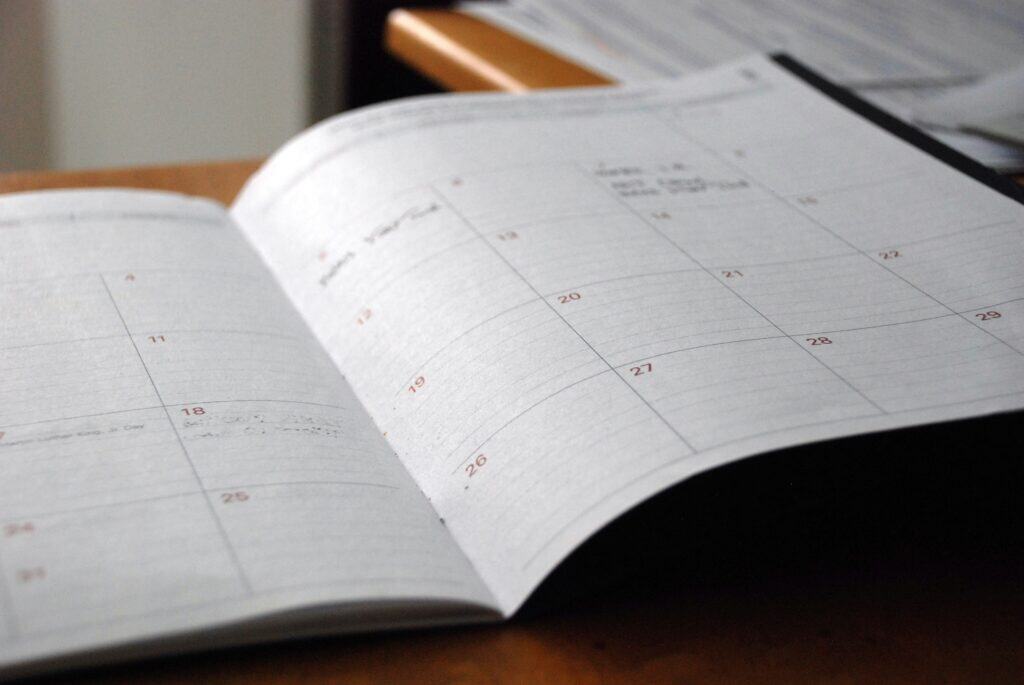
This blog is about managing the time and effort it takes to start and run a glamping campsite. The 4-Hour Workweek by Timothy Ferriss offers a ton of information about working smarter and not harder. Here’s how short-term rental hosts can apply what he teaches and find better work-life balance. Death and Taxes We don’t regret putting money, time and energy into getting our glamping campsite off the ground. Being a project we’re so passionate about, it’s easy to lose track of all that has been invested so far. But reviewing the final spreadsheet with our accountant this year was pretty eye opening. Apart from the money spent (installing eco-friendly bathroom and shower facilities is expensive!) the number of miles driven was through the roof. Every trip to and from the land, to and from various stores to pick up materials, added up. More important than wear and tear on the truck, all those trips were a record of how we were spending our most important resource. Time. A walk on the beach How do you have both? That’s the question I was asking during a quick vacation not long ago. Wanting to get away before the glamping campsite season began, a few days at the ocean were a great perspective gainer. Running a glamping campsite that people love is amazing, but time at the ocean is great too! Our family is extremely close but we are spread out geographically. This makes finding time for what’s most important even tougher. Spending quality time together requires more travel. As far as the campsite goes, it would be great if we all lived close by and worked on this project together, but that isn’t the case right now. Rethinking time There are so many great things going on, but only so many hours in the day and years in the tank. Being able to build a cabin cluster and to develop a private park has been a blessing. We’re glad we’ve done the bulk of all the work ourselves up to this point, to know what it involves and to be hands on when setting the stage for an amazing visitor experience. But if we want to have enough time to give in all areas that are important, we have no choice but to work smarter, not harder. That’s where The 4-Hour Workweek comes in. The 4-Hour Workweek The 4-Hour Workweek is a book by Timothy Ferriss that was first published in 2007. It questions the life plan of working grueling hours, taking very few vacations for decades, and saving money in order to relax after retirement. It spent four years on the bestseller list, has been translated into 40 languages, and sold around 2.1 million copies. If you’re in the short-term rental business, you’re probably already questioning this life plan. So how else can you apply what Ferriss teaches? Time and mobility This book is about changing the way we look at how we live and work. It’s about the importance of changing old assumptions. The New Rich (NR) talked about in Ferriss’s book use a different kind of currencies – time and mobility – so that they can design the lifestyle that they want. Income is necessary only to the extent that it supports these two things. There are a ton of factors that go into being part of the short-term hosting world. But thinking about how something could affect available time and mobility could be a very useful step in the process. Interesting to think about. Location independence Ferriss makes the point that ventures should be doable from anywhere and be location independent. In some ways that ship has already sailed for us – our cabin cluster and park are located on property that has been in the family since the 1800s. But there are always adjustments that can be made to free up time and give more mobility. For one thing, we’re at a point when hiring the right people to help out is making a lot of sense. Ferriss’s DEAL approach has been a big help when thinking about next steps. Here’s the DEAL – Definition/Elimination/Automation/Liberation Definition Step one is to define dreams to chase- with timelines and written steps. Ask: What would excite me? And apply timelines to these exciting dreams (called dreamlining). Part of this process is to calculate required monthly income for living this dream (by adding the monthly cost of reaching these goals to 1.3 times monthly expenses). I can quit my job and be a full-time host when I… Elimination Eliminate inefficiencies by following Parkinson’s Law and Pareto’s Law (the 80/20 rule). Parkinson’s Law – a task will swell in importance and complexity in relation to time allotted to it. In other words, the longer we have to accomplish a task, the longer it will take and the harder it seems. The trick is to set specific and short deadlines. Hosting is great practice for this, with built in deadlines lining up with the arriving and departing of guests. Large tasks can be broken into smaller pieces, with swift deadlines for each step. Pareto’s Law (the 80/20 rule) -in short, this is the concept that 80 percent of outcomes come from 20 percent of all inputs. In business, a goal would be to identify the productive actions and make them the priority. A good example of this could be trying to please an unpleasable potential guest vs taking great care of a wonderful repeat visitor. Automation Learn to outsource – define clear rules and processes to follow before hiring anyone. Identify things that could be outsourced – for more free time and greater output. For me, it’s taking my shirts to the dry cleaners. It saves time, the result is way better, and I can show up looking professional when I have to. Eliminate first, THEN automate. Delegation can be difficult but is worth the effort. Delegate what you can and put that time and energy toward tasks
Benefits of Creating – Practicing Mindfulness and Manifestation While You Build
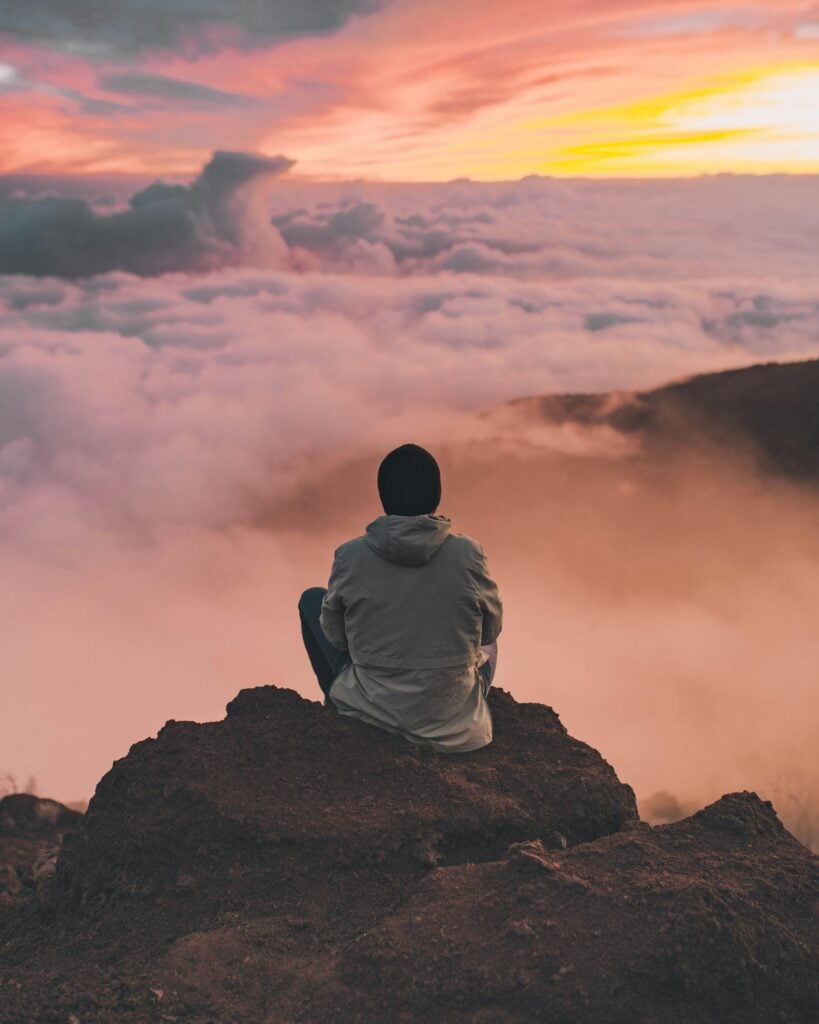
This blog is about the benefits of creating and being mindful when you build. Every project is an opportunity to create something that you’ve seen in your mind first. It’s also an opportunity to be mindful and to create balance. With carpentry, focus is a must if you want to create what you envision and if you want to keep all your fingers. Focusing on the present can help create a sense of well-being, reduce stress, increase awareness, and increase emotional balance. Mindfulness in a nutshell, or, in this case, a dishpan There’s a lot of talk about mindfulness these days. But what is it? And what does it have to do with building stuff? A friend shared this explanation of the basics years ago and I’m still grateful to him for it: He said think of something you do every day that you’ve learned to do on auto pilot. Something that lets your mind drift when you’re doing it. It gives you time to worry. The voice in your head messes with you and is thinking that its helping. We all know that voice – it’s the anchor that tries to keep you in a lousy port in order to keep you out of a storm. It’ll never work, I’m too busy, It’s a dumb idea anyway. But the same voice that keeps us safe also keeps us from getting to where we want to go. For me, my mindless task was doing the dishes. My friend’s advice? Do the dishes. That it. He said that if my mind wandered to other things, I should take a breath, think ‘Im doing the dishes’. And then do the dishes. It worked like a charm! Anxiety and worry faded. I felt grounded. Sometimes I’d actually say aloud, “I’m doing the dishes” to stay focused and to reset. (Check to see who’s around if you do this though. A few times I’ve heard, “Good job! Do you want an award?) Staying present and focusing on the ‘now’ takes a little practice but has a ton of benefits. Applying this mind clearing focus to carpentry and other projects makes DIY even more beneficial. Benefits of Carpentry Mindfulness There are so many benefits of mindfulness that you can experience as you build. Focus and Presence: The need to concentrate and to pay attention to detail creates the perfect space for mindfulness. Measuring, cutting, and assembling wood can be meditative. This sets the stage to be fully present and in the moment. Pulls in the Senses: Paying attention to the sights, sounds, smells, and textures when building brings the sensory experience to the next level. The way a nail gun feels in your hand. The small of fresh cut wood. The sound of boards seating perfectly when tongue and groove click together. What a way to be in the moment! Stress Reduction: Carpentry can promote mindfulness, which can greatly lessen stress and anxiety. Focusing on the present is the best defense against looking back (and regretting) or looking ahead (and being anxious). It keeps you in the now and can be great therapy. Flow State: Carpentry can lead to a state of flow, where you become completely immersed in what your doing and lose track of time. You’re in the groove, the now, the zone. This is great for mental health and is also when a ton of work can get done quickly. Sense of Accomplishment: Completing a building project can provide a sense of accomplishment and improve self-esteem. Creating a space, a piece of furniture, or any other number of items for others can be an incredible gift. And what better way to build self-esteem than to give? Cognitive Benefits: Carpentry takes a lot of brain work. Planning, sequencing, spatial reasoning are all complex processes and are great for keeping the brain sharp. The math, geometry, physics and material science involved makes building an excellent cognitive work out. Mindfulness in a Pile of Tongue and Groove A pile of 12- foot tongue and groove haunts me in my sleep. I wake up in a cold sweat at 3 AM. How do I start getting this stuff on the walls? How do I do the ceiling? How do I adjust for warp? What if I never finish? What if I finish and everyone thinks it looks dumb? How will I ever get this all done? Why can’t I get back to sleep? The hamsters are running on their wheels inside my head and more of their friends are on their way. I lay there and plan – assembling and disassembling over and over again. A list of problems to be solved keeps growing as I stare at the naked rafters and insulation where a ceiling is supposed to be. What helps? When daylight comes I do the dishes. Except it’s something better than dishes. I have a bigger picture of how things are going to be – all walls and the ceiling covered in tongue and groove knotty pine boards, and then moldings to finish it up. It’s going to be a lot of work. It’s overwhelming. But then I use the dishes trick. I’m carrying this board. I’m cutting this board. I’m nailing in this nail. And then I do it three hundred more times. Something happens during a project like that. Full- time craftspeople and artists are blessed to experience this for a living. You get to create something in your mind and then get to manifest it in the real world. You also get to experience mindfulness one board, one nail at a time, until you’ve built something great. Carpentry Mindfulness and the Manifestation Muscle Manifestation is another concept that isn’t always easy to grasp but that plays out over and over again during building projects. Knowing how to manifest can be a key to success in all areas of life. Carpentry is a perfect place to exercise the manifesting muscle and to become stronger. What is Manifesting? Manifesting is the