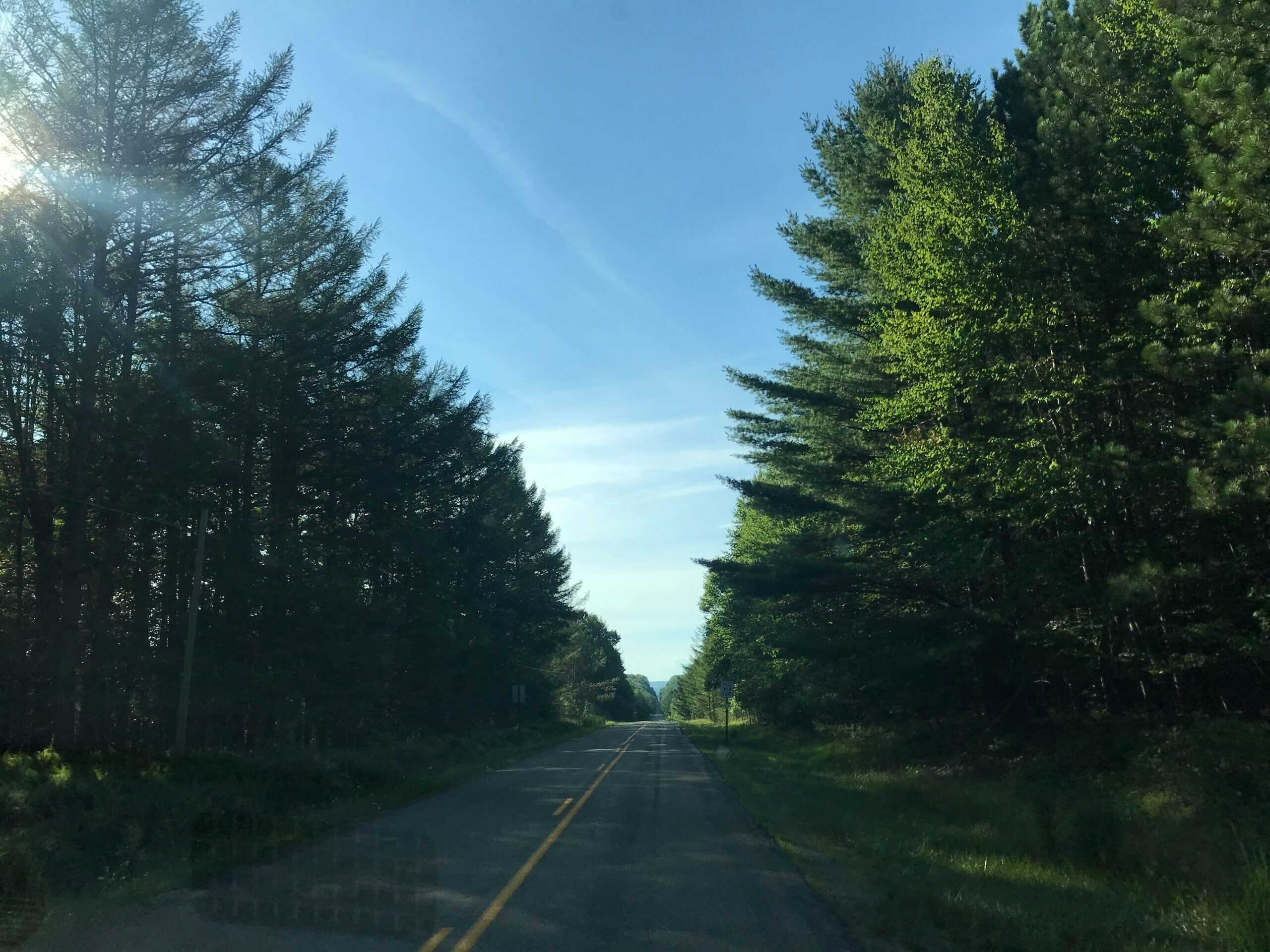
We admit it. We absolutely love our property so we haven’t ventured on to the 4,000 plus acres of state land that’s right next to us all that much. But this summer we explored a lot more – riding the dirt roads and trails in side by sides and checking out some trail heads on foot. We discovered some amazing spots we didn’t know existed. Areas like Keeney Swamp State Forest, Keeney Swamp Wildlife Management Area, Hiltonville State Forest, Klipnocky State Forest, and others in the Allegany Unit of state forests.
We also learned a bit more about activities allowed on state land. Hiking, paddling, wildlife watching, hunting, fishing, and more. Unlike our other posts, this blog is specific to our glamping campsite vicinity. It walks you through what activities are allowed, where to go, what rules to follow, and how to make the most of several thousand acres of state land.
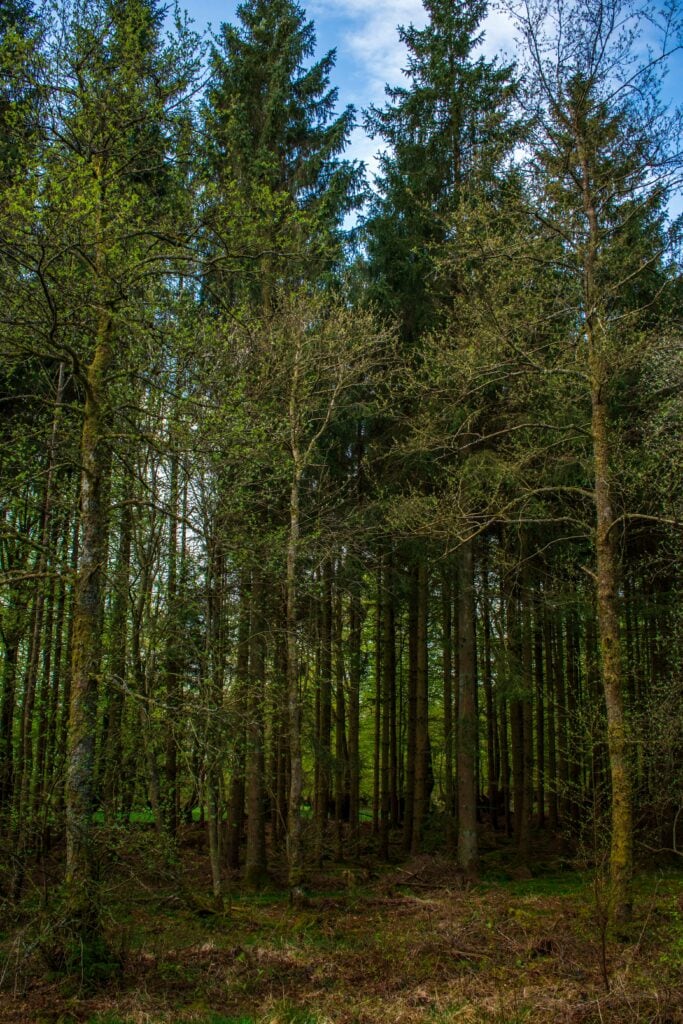
Nearby State Lands: A Quick Overview
Here are some of the state lands close to Birdsall: (with links to DEC pages)
- Keeney Swamp State Forest (≈ 2,408 acres) sits in the towns of Birdsall and Grove, Allegany County. It borders Keeney Swamp Wildlife Management Area (≈ 708 acres). Department of Environmental Conservation
- Keeney Swamp WMA is primarily wetlands, marsh, brush & grassland habitat, open water, emergent marsh, with excellent habitat for waterfowl, songbirds, etc. Department of Environmental Conservation
- Other nearby state forests include Hiltonville State Forest (≈ 999 acres), Klipnocky State Forest, and others in the Allegany Unit. wnywilds.com
These areas lie in DEC Region 9, so many of the same rules apply, and the DEC Almond or Allegany offices are the right contacts for up-to-date information. Department of Environmental Conservation+1
What Activities Are Allowed
According to the DEC, here are the allowed activities in these lands near Birdsall, along with details, highlights, and tips.
1. Hiking & Walking
- Where: Throughout Keeney Swamp State Forest (any of its forest roads or off-trail), in WMA parcels where foot traffic is allowed. Also in Hiltonville State Forest, Klipnocky, etc. Department of Environmental Conservation+1
- What to expect: Many areas do not have formal, marked trails (for example, Keeney Swamp State Forest has no designated trails). So hiking may involve bushwhacking, following old logging or forest roads, wet areas, etc. Department of Environmental Conservation
- Tips: Bring good boots, waterproof gear; expect muddy or soft ground, especially in marsh or wetland edges. Consider a topographic map or DEC issued map (GeoPDF for Keeney Swamp). Department of Environmental Conservation
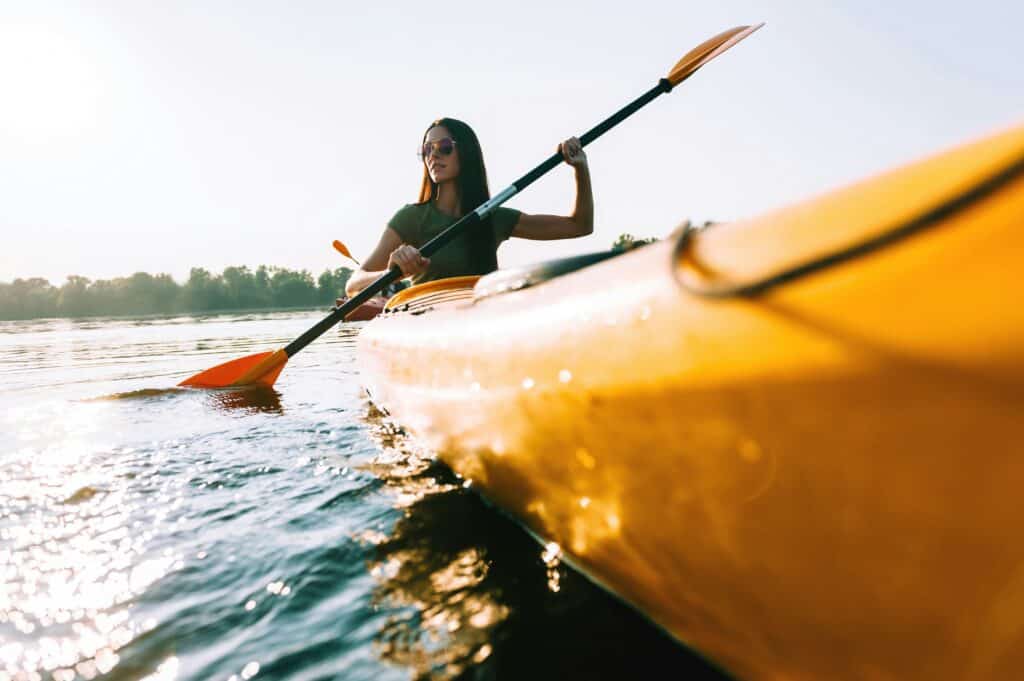
2. Paddling & Freshwater Exploration
- Keeney Swamp State Forest has beaver ponds and Black Creek; paddling is a permitted activity. Department of Environmental Conservation
- Keeney Swamp WMA includes open water wetlands and impoundments, which may be accessible for waterfowl hunting or fishing. Department of Environmental Conservation
- What to watch for: Some water bodies may be shallow, obstructed, or dammed; water access may be limited or require carrying your boat from parking. Always check water safety, seasonal water levels, and whether motorized boats are allowed.
3. Camping (Primitive / Dispersed)
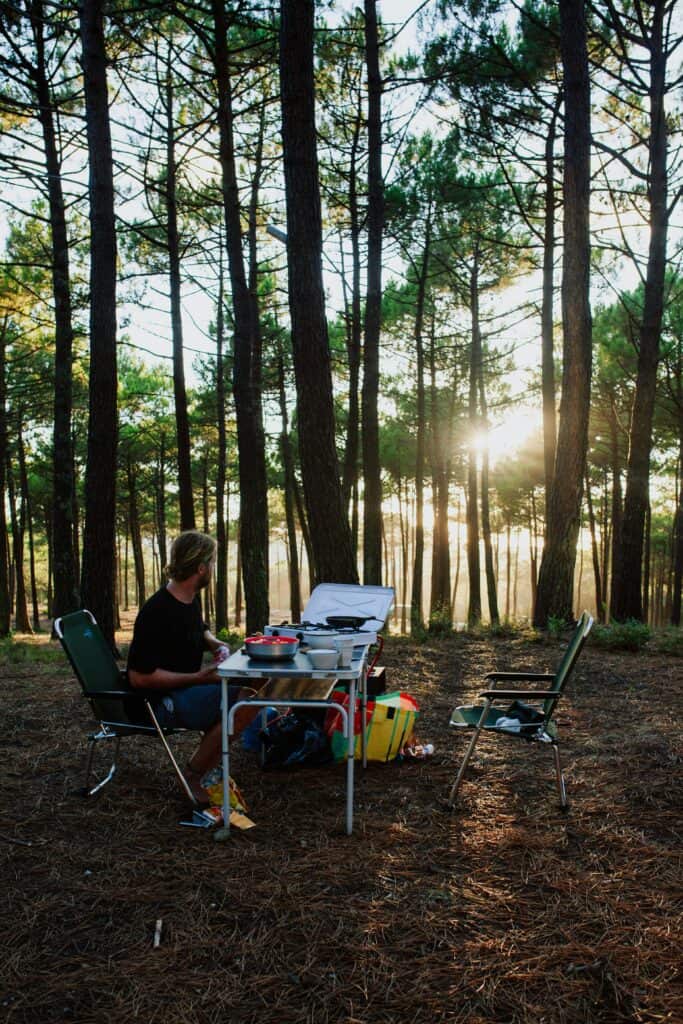
- In Keeney Swamp State Forest, primitive camping is allowed. However you must follow rules: campsites must be at least 150 feet away from roads, trails, or water bodies. Department of Environmental Conservation
- Camping for more than three nights, or in groups of ten or more, requires a permit from a Forest Ranger. Department of Environmental Conservation
- In Keeney Swamp WMA, camping is not allowed. Important difference: WMA lands often have more restrictions. Department of Environmental Conservation+1
4. Hunting & Trapping
- Hunting is allowed in both Keeney Swamp State Forest and in Keeney Swamp WMA, during legal seasons and with required licenses. Department of Environmental Conservation+1
- Trapping is also allowed. DEC regulations bind what species, what seasons, what methods. Department of Environmental Conservation+1
5. Fishing
- Freshwater fishing is allowed along Black Creek and the beaver ponds in Keeney Swamp State Forest. Department of Environmental Conservation
- In the WMA, parts of open water impoundments and wetlands may serve as fishing habitat; check rules about public fishing rights. Department of Environmental Conservation
6. Wildlife Viewing, Birding, Nature Study
- Keeney Swamp is recognized for its habitat diversity—wetlands, marsh, swamp, brush, grassland—leading to a variety of bird species (waterfowl, migratory songbirds, occasional rare species). Department of Environmental Conservation
- The state designates the area as a Bird Conservation Area (BCA), which emphasizes protection and opportunities for birdwatchers. Department of Environmental Conservation+1 Note – an American Eagle, ducks, turkeys, and other water birds are regular visitors to state land and to our park!
- Other wildlife: deer, turkey, and small mammals are usually present; wetland habitats bring amphibians, insects.
7. Snowmobiling & Winter Sports
- There are snowmobile corridor trails that pass through Keeney Swamp State Forest (Corridor Trail 3D is one). Department of Environmental Conservation
- In winter, snowshoeing, cross-country skiing (where feasible), snow hiking are possibilities—though with the wetland terrain and variable snow cover, conditions may vary a lot.
What Is Not Allowed or Restricted
Here are the key constraints.
- Camping in Keeney Swamp WMA: Not allowed. While State Forest lands allow primitive camping (with rules), WMAs often restrict camping to protect habitat. Department of Environmental Conservation+1
- Permanent structures: No building of cabins, sheds, tree stands or other permanent constructions, unless permitted. New trail building usually requires permits. cdn.show.tours
- Camping near roads, trails, or water: Must maintain ~150 feet distance unless in designated camping areas. This helps reduce pollution, protect water quality, and preserve habitat. Department of Environmental Conservation+1
- Large group stays or extended camping: More than three consecutive nights, or large parties, need permit. Department of Environmental Conservation+2Department of Environmental Conservation+2
- Motorized vehicles: Off-road motorized use is generally prohibited unless on roads/trails specifically designated for motor vehicles. In wetlands especially, such use is likely forbidden. cdn.show.tours+1
- Camping in WMA: As mentioned, not allowed in Keeney Swamp WMA.
Rules & Regulations You Should Know
When using these lands near Birdsall, here are the official rules, best practices, and legal requirements you or your guests should follow.
- Permits & Licenses
- Hunting or trapping require proper NYS DEC licenses and adherence to seasons.
- Fishing requires a valid NYS fishing license; abide by limits, bait restrictions.
- For camping beyond three nights or for large groups on state forest lands, a permit is required.
- Distance Requirements for Campsites / Fires
- Campsites must be at least 150 feet away from any road, trail, or body of water unless in a designated site. Department of Environmental Conservation
- Fires must follow DEC fire safety rules; use only dead and downed wood. Don’t leave fires unattended; fully extinguish.
- Respecting Wildlife & Habitat
- Avoid disturbing nests, especially in the spring and early summer.
- Stay off wetlands and marsh edges where soil or vegetation is sensitive.
- Follow birding best practices (quiet, stay on stable ground, avoid trampling).
- Leave No Trace Principles
- Carry in / carry out all trash. Do not bury trash or burn it in fire pits unless explicitly permitted.
- Human waste should be buried at least 150 feet from water/trails/campsites, in a shallow hole (4-6 inches). After, cover with leaf litter and soil. cdn.show.tours
- Avoid damage to live trees. Cutting live trees without permit is prohibited.
- Seasons & Conditions Matter
- Wet trails, soft ground, heavy snow, beaver flooding, ice in ponds—all can affect accessibility and safety.
- Some hunting zones may restrict access during certain seasons; wearing blaze during those times is wise.
- Legal & Safety Considerations
- Be aware of rules about motorized vehicles, boats. If using motorized boats or motors, check whether allowed in that water body.
- Bring topographic maps or GPS; cell service may be spotty. Let someone know where you’re going. (Note: WiFi and WiFi calling available in and around the cabins at our campsite)
- Respecting Private Land & Boundaries
- State lands may border private property—be sure you stay on public land (unless it’s our private land and you’re staying here 🙂 ).
- Where parking lots or trailheads are on county or state roads, be sure to leave room and respect signage.
Sample Day Itineraries
Here are some ideas for state land outings in the area while staying at our park:
| Itinerary | Activities | Tips |
|---|---|---|
| Morning Birdwatch & Paddling | Head into Keeney Swamp State Forest at sunrise. Walk to the pond or along Black Creek; bring binoculars. Then launch a canoe or kayak (non-motorized) in a beaver pond (if accessible). | Wear waterproof footwear; mosquitoes may be heavy early; bring insect repellent. Confirm water level & launch point. |
| Half-Day Hike & Picnic | Pack a lunch, hike through forest roads around Keeney Swamp, explore mixed upland / swamp edges. Look for balsam fir (rare in this county) and wetland flora. | Bring map; waterproof pack. Pick a trail that loops so you’re not retracing steps. |
| Fishing & Evening Campfire | Fish in Black Creek or nearby ponds. In the evening, set up a primitive camp in the State Forest (following rules), build a fire in safe location using downed wood. | Check fishing regulations; bring firewood or collect downed wood where allowed; have water for fire safety. |
| Winter Adventure | Use snowmobile trails if open (Corridor Trail 3D) for snowmobiling. Or snowshoe/ski in quieter forest roads. Wildlife tracking, birding with winter plumage. | Dress in layers; watch weather forecasts; snow cover can hide hazards. Use appropriate gear. |
Why These Lands Are Special
- Unique wetland habitat: Keeney Swamp is unusual in Allegany County for its natural wetland complex and for having balsam fir naturally occurring in the area. Department of Environmental Conservation
- Bird diversity: The Bird Conservation Area status means high priority for preserving habitat, especially for migrating waterfowl, songbirds, some species at risk. Department of Environmental Conservation
- Quiet & less crowded: Because some areas have no formal trails, many parts of the forest are less developed, giving solitude and a true wilderness feel.
What Guests Should Bring / Be Prepared With
To enjoy these lands well, here’s a packing list and preparation checklist:
- Good hiking boots & waterproof clothing
- Insect repellent, sunscreen, hat
- Binoculars + wildlife/birding guide (local field guide)
- Map of Keeney Swamp State Forest / WMA; GPS or compass
- Fishing gear and valid license if fishing
- Hunting gear if in season and license + blaze clothing
- Camping gear (if staying overnight in State Forest); supplies for cooking / fire safety
- First aid kit; water & food supplies
- Waterproof bag for gear, in case of pond overflow or wet ground
What You’ll Need to Ask / Check With DEC
Before heading out (especially for larger groups or specialized uses), contact:
- The DEC Region 9 / Allegany Unit offices to check for current restrictions, trail closures, fire bans, hunting seasons.
- Forest Ranger for permits (for camping beyond 3 nights or group sizes over 10 in State Forests).
- Local wildlife biologists if doing trapping or for detailed habitat concerns.

Summary
The state lands around Birdsall, NY – especially Keeney Swamp State Forest and WMA – offer a wide range of outdoor activities: hiking, paddling, wildlife viewing, fishing, hunting, snowmobiling in winter, and primitive camping (with rules).
Truthfully our park is our favorite slice of nature in the area – a private park where you can explore Black Creek, wetlands, fields and dense and ancient forests. But the state land all around us makes it even more special!
Any thoughts on state land usage? We’d love to hear your comments!
.
.
.
.
Photo by Lisa Siefert on Unsplash
Photo by Bo Schoonejans on Unsplash