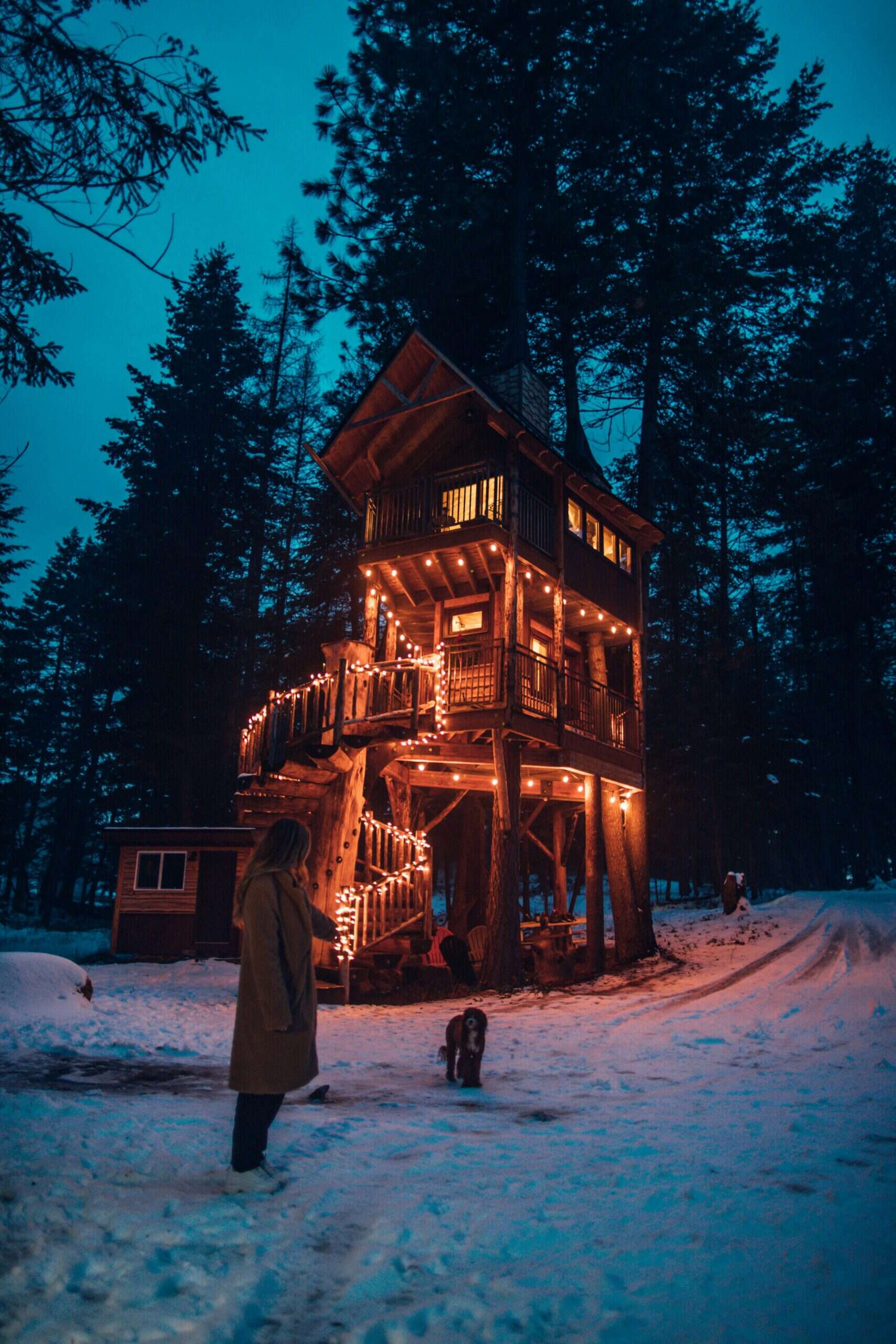
Treehouses have a magic about them for certain. They stir up childhood memories, spark the imagination, and create an instant “wow” factor for guests. Everyone we talk to lights up when we tell them that treehouses are coming soon to the campsite (this blog is the first of many on this topic ). In the glamping world, a treehouse can be the ultimate Instagram-worthy accommodation — and the ultimate investment. But before you start hauling lumber up into the branches, it’s worth asking: Is adding a treehouse to my glamping campsite really worth it?
The answer depends on your budget, location, market demand, and how you plan to use it as part of your overall guest experience. Let’s look at the pros, cons, costs, and considerations so you can decide if a treehouse is the right move for your site.
1. The Attraction of the Treehouse Experience
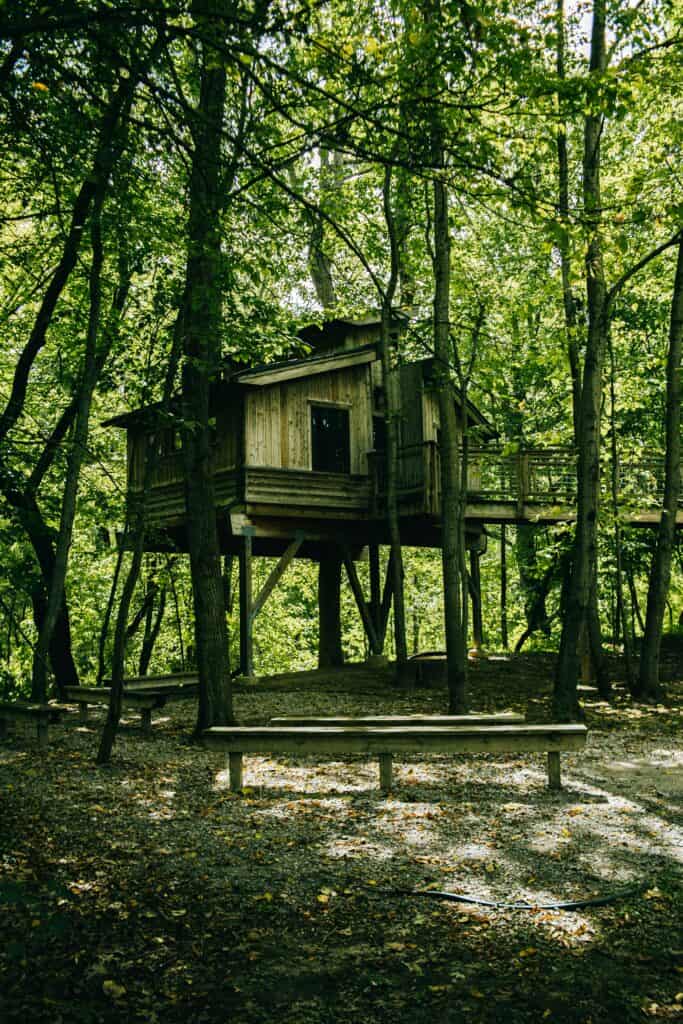
A well-built treehouse can be more than just a place to sleep — it can be the centerpiece of your glamping business. Guests often choose glamping for its uniqueness, and few things are more unique than a night in the trees.
Treehouses appeal to:
- Families — kids love the adventure.
- Couples — it’s romantic and secluded.
- Travel influencers — for that picture-perfect content.
- Nature lovers — it offers a deep connection to the outdoors.
If your goal is to stand out from other glamping sites in your area, a treehouse can be a great move.
2. The Potential Benefits of Adding a Treehouse
Higher Nightly Rates
Treehouses can command higher rate because of their novelty and limited availability. If your average cabin rental is $150 per night, a treehouse might easily bring in $200–$300 per night, depending on amenities and location.
Free Publicity
A unique structure like a treehouse can naturally attract media coverage, social media shares, and word-of-mouth buzz without extra advertising spend. Guests love posting about unique stays, which can mean free marketing for you.
Repeat Guests
Even if someone has stayed at your campsite before, a new accommodation type gives them a reason to return. Loyal customers love seeing you add new features.
3. The Challenges and Risks
High Upfront Costs
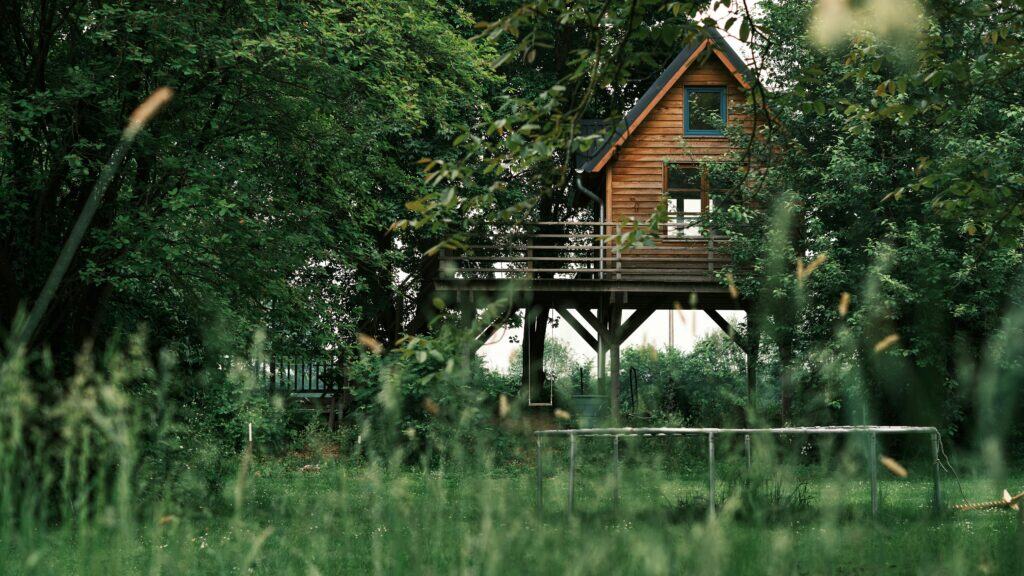
Building a safe, sturdy, and guest-friendly treehouse is not cheap. Even a small one can cost $20,000–$50,000 (or more) when factoring in design, permits, materials, and labor. Custom luxury treehouses with plumbing and electricity can run over $100,000.
Permits and Regulations
Treehouses may be subject to strict local building codes. In some places, they require the same permits as traditional structures — plus additional inspections for safety. If your land is zoned for certain types of accommodations, a treehouse may or may not be allowed.
Accessibility Limitations
Treehouses generally require climbing stairs or ladders, which may exclude some guests (older visitors, people with mobility challenges, or families with very young children). This can limit your booking market.
Maintenance
Trees grow, sway, and shed leaves. A treehouse requires ongoing inspection and upkeep — more so than a standard cabin. You’ll need to watch for rot, shifting supports, pest issues, and weather damage.
4. Cost Breakdown Example
Let’s take our developing project as an example – a mid-range treehouse for two guests, with a porch vaulting over the cliff above the creek. A wood burning fireplace, no electricity or plumbing. Bathrooms and showers are available in the common access Water Shed. (Sounds amazing, doesn’t it!). Keep in mind this varies from region to region- this is a pretty close ball park where we are located.
| Expense | Estimated Cost |
|---|---|
| Design & Engineering | $3,000 |
| Permits & Fees | $300 |
| Lumber & Materials | $10,000 |
| Professional Labor | $10,000 (we’re doing a lot of the work ourselves but still need to hire some out) |
| Interior Furnishings/ wood burning stove | $5,000 |
| Landscaping/Access Path | $2,000 (building in a Hemlock forest in a remote area across the creek) |
| Total | $30,300 |
If you charge $250/night and book 120 nights a year, you’d bring in $30,000 annually — meaning we could recoup your investment in a year under strong occupancy. Not bad.
5. Treehouse Styles to Consider
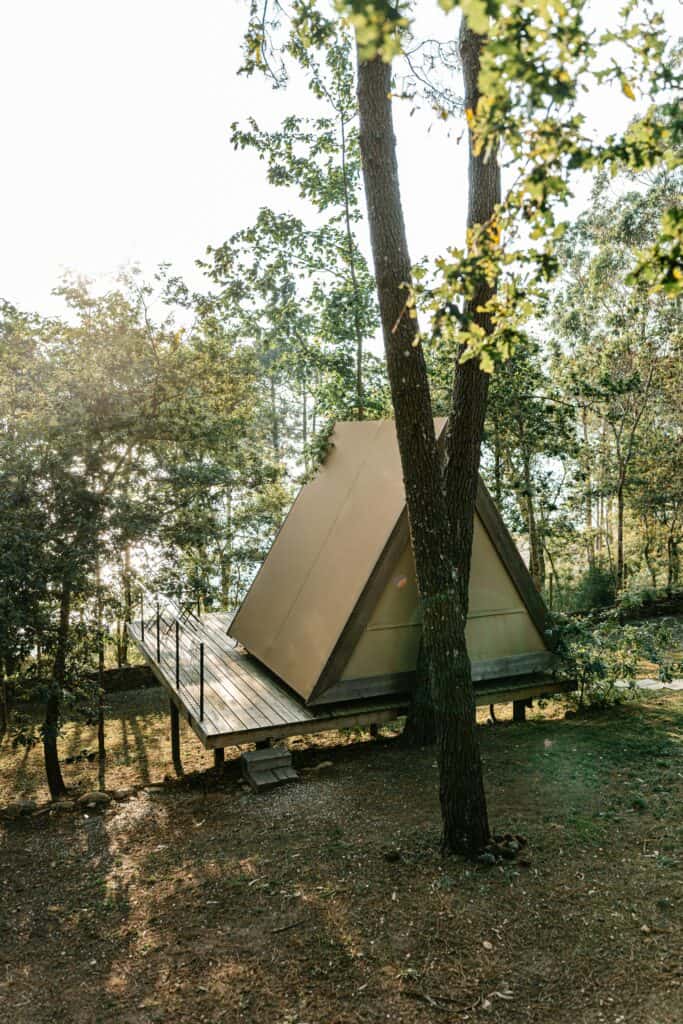
- Rustic Adventure — Minimal amenities, perfect for summer stays, great for families and budget travelers.
- Luxury Lodge in the Trees — Climate control, high-end finishes, and private decks for romantic getaways.
- Eco-Friendly Retreat — Built from reclaimed wood with solar panels, appealing to sustainability-minded travelers.
- Multi-Level Family Fun — Separate sleeping areas, rope bridges, and slides for families with children.
Your style choice will affect both the cost and your target audience.
6. Marketing a Treehouse
When you add a treehouse it can become a pivot point attraction – what catches the eye and makes you stand out. A few marketing ideas:
- Create a separate listing on Airbnb/Glamping Hub with professional photos.
- Offer “treehouse only” booking packages.
- Promote it heavily on Instagram, TikTok, and Pinterest.
- Use seasonal promotions: “Fall Foliage in the Trees” or “Winter Cozy Treehouse Escape.”
7. Real-World Guest Considerations
Before committing, think about your actual guests:
- Will they see it as an adventure or too much of a climb?
- Will they expect plumbing, or be fine with a nearby bathhouse?
- Is your climate friendly to year-round use, or will it sit empty in winter?
- Is it the perfect private space or is it too secluded?
If most of your guests book for comfort and accessibility, a ground-level luxury tent might be a better investment. If your guests love novelty and the outdoors, a treehouse could be a perfect fit.
8. Ways to Maximize ROI
If you decide to build, here’s how to make the most of your investment:
- Premium Pricing — Don’t underprice. The novelty is worth more.
- Add-Ons — Offer extras like breakfast baskets, firewood bundles, or guided nature walks.
- Themed Decor — Lean into the fantasy with cozy lighting, tree-themed artwork, or even a telescope for stargazing.
- Event Rentals — Allow photographers or small elopements to use it during the day.
9. Pros and Cons Summary
Pros:
- Strong visual appeal and marketability.
- Potential for higher nightly rates.
- Differentiates your site from competitors.
- Attracts repeat and new guests.
Cons:
- High build and maintenance costs.
- Possible permitting challenges.
- Limited accessibility for some guests.
- Vulnerable to weather and tree growth issues.
10. Is It Worth It?
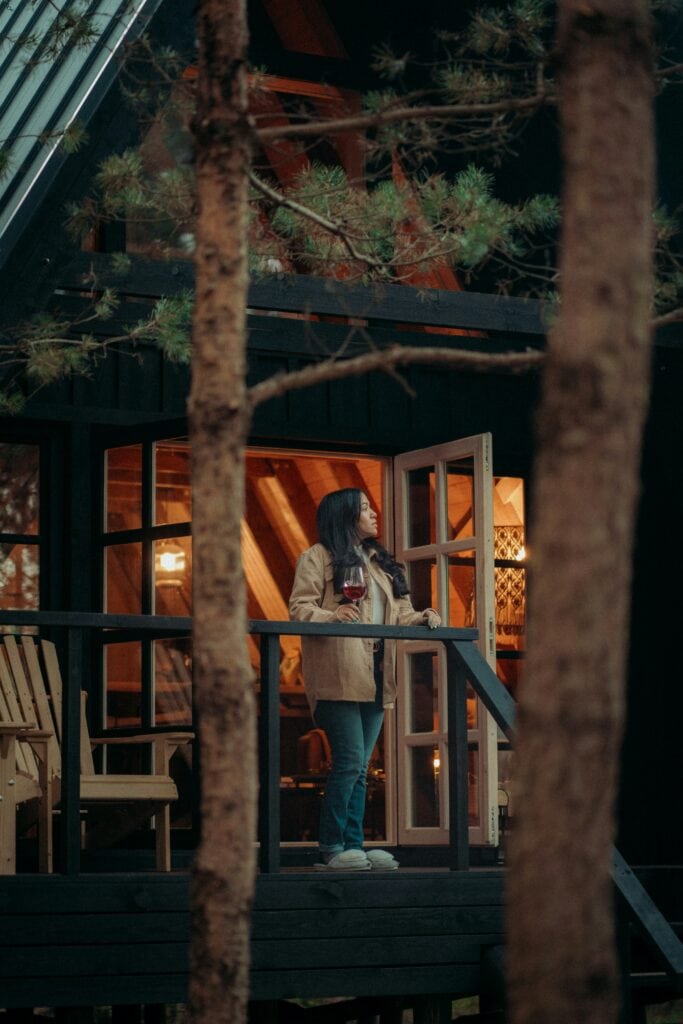
A treehouse can absolutely be worth the investment — if your market demands unique, photo-worthy accommodations and you have the budget and time to maintain it. It’s not a small undertaking, but when done well, it can become your signature attraction and a major revenue booster. We are beyond excited, and so is anyone we have told about our treehouse project.
If you already have a strong guest base and want to add something that gets people talking, a treehouse could be the crown jewel of your glamping site. If you’re just starting out and have a tight budget, it might be wiser to first focus on lower-cost accommodations that build steady income, then reinvest in a treehouse later. That’s what we did, starting with a base camp and building from there.
We’d love to hear your thoughts on moving your glamping campsite project into the trees.
Happy building!