Debt sucks, especially when its credit card debt. But when you’re getting a glamping campsite guest-ready as quickly as possible sometimes using credit card and loans can be an attractive option. Is this a terrible idea? The answer isn’t one-size-fits-all, but with the right information and honest self-assessment, you can make the decision that’s best for your goals and risk tolerance.
The Appeal of Financing a Glamping Project
Building a glamping site can cost anywhere from a few thousand to several hundred thousand dollars, depending on your ambitions. Even a simple site with a couple furnished tents or cabins can have expenses that run up quickly.
And ordering on Amazon Prime is so easy, with so many cool things to buy. Or how about a shopping spree at Home Depot on a store credit card that doesn’t charge interest for the next two years? Financing expenses with loans or credit cards in order to start hosting paying guests can be appealing for several reasons:
- Speed: Financing allows you to build quickly and begin making an income sooner.
- Growth Potential: More upfront investment means you might build more cabins or luxuries, increasing your nightly rates and number of guests you can host.
- Cash Flow Management: If you don’t have large savings or outside investors, financing helps spread out the cost over time. Those zero interest credit cards can make taking the calculated risk that much easier.
But with these benefits come with risks, and it’s important to think about the upside and downside before pulling the trigger.
Understanding the Costs of Credit Cards and Loans
Credit Cards: Fast But Dangerous
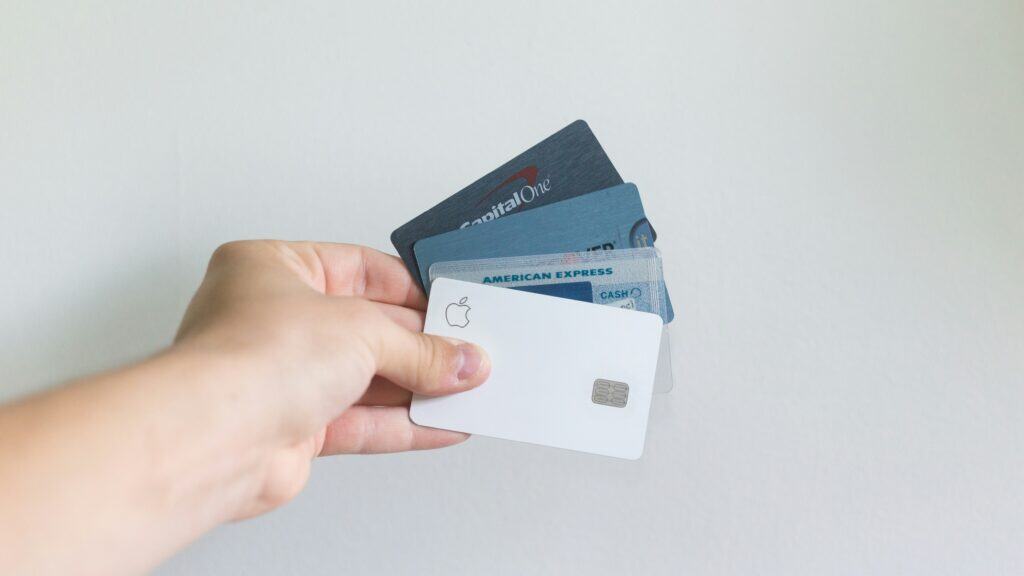
Man, does it feel easy to use credit cards and take out a loan or two- it’s almost like not even spending real money, which makes them so dangerous. Using a personal or business credit card is one of the fastest ways to finance expenses like materials, furnishings, or online marketing. But credit cards come with high interest rates—often 18% to 29%—and can quickly take on a life of their own if not paid off relatively quickly.
So When to Use Credit Cards?
A good rule is to only use credit cards if you have a plan to pay off the balance within a few months. Have we always done this? To be honest, no. But those big box credit cards are always paid off long before the interest grace period is over, and almost every penny we’re making is going toward killing all debt.
For large construction projects or long-term investments, it’s a better idea to consider a loan if absolutely necessary. We provided our own labor for most projects, looked for deals, paid cash wherever we could, but building infrastructure can still be EXPENSIVE! We have a solid pay off plan that we can commit too for the loan we took out (for a chunk of the well and leach field installation) and that plan is so important.
Loans: Structured and Strategic
Loans come in many shapes and sizes : personal loans, business loans, home equity loans, SBA loans, or lines of credit. Unlike credit cards, they generally offer lower interest rates and more predictable repayment plans.
Pros:
- Lower interest rates than credit cards.
- Fixed repayment schedules.
- Larger borrowing limits.
Cons:
- Monthly payments begin immediately.
- You need a strong credit history.
- Requires documentation and approval process.
- You may need to secure it with personal property.
When to Use Loans:
Loans make more sense for big-ticket items: septic systems, cabins, roads, bathhouses, or large-scale infrastructure. They’re a better fit for long-term investments that will generate revenue over years.
What Will the ROI Look Like?
Before using any kind of financing, its important to estimate how long it will take to recover the investment. For example:
- A $20,000 loan for a glamping dome might have a $400 monthly payment.
- If that dome rents for $150 a night and is booked 10 nights a month, it brings in $1,500.
- Subtract operating costs (cleaning, maintenance, booking fees), maybe $400/month.
- That leaves $1,100/month in gross profit—more than enough to cover the loan, with room to cover the loan off season.
But this only works if:
- You get bookings.
- You keep occupancy steady.
- You control operating costs.
Seasonality, weather, and unforeseen events can interrupt cash flow, so it’s a good idea to build in extra cushion before taking on the debt.
When Financing Can Work in Your Favor
1. You Have a Clear Business Plan
If you’ve done your research, run the numbers, understand your market, and have a booking strategy, financing can help you accelerate growth. You can build faster and start earning sooner, rather than waiting years to save cash.
2. Your Land Already Has Infrastructure
If your land already has road access, a well, septic, or power, you’re starting miles ahead. A small loan might be all you need to build your first rental cabin or safari tent.
3. You Start Small and Scale Up
One of the smartest strategies is to finance your first build—just enough to start hosting guests—and then use profits to fund future builds. This helps you test your ideas with less risk.
4. You Use 0% APR Offers Strategically
Some credit cards offer 0% APR for 12–18 months. These can be a smart way to float materials or furnishings, as long as you pay the balance off before the promo ends.
When Financing Can Lead to Trouble
1. You Underestimate Costs
It’s easy to underestimate taxes, insurance, labor, licensing, and repairs. If you borrow too little, you may run out of funds before finishing the build.
2. You Overestimate Demand
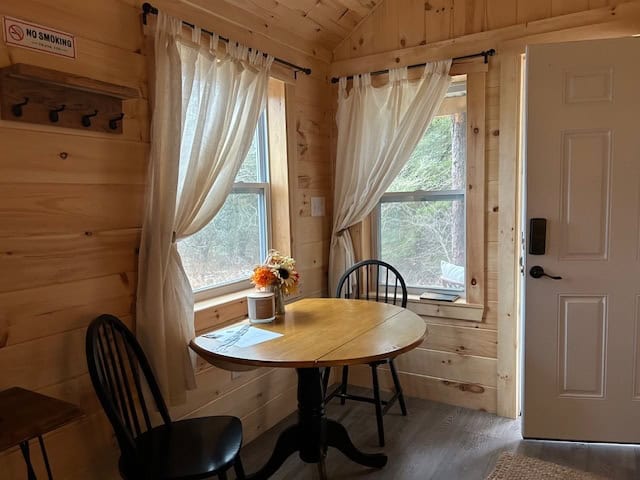
Just because you would love to stay in a tiny house in the woods doesn’t mean 20 strangers a month will too (although they probably will ;)). It’d always smart to do a competitive analysis and check similar listings on Airbnb and Hipcamp before projecting income.
3. You Borrow Without a Payback Plan
Borrowing without knowing when and how you’ll repay—especially with credit cards—is a recipe for long-term stress and potential default. Paying off debt has to remain a top priority.
4. You Have No Emergency Fund
If you max out your credit and leave yourself with no safety net, even a small emergency could derail your business. Always keep a few thousand in reserves.
A Word of Advice – Talk to a CPA or Financial Advisor
- A short conversation with a professional can give you insight and help you avoid tax and debt traps. If nothing else, it can give reassurance that you’re on the right track. Our accountant helped us save thousands of dollars by knowing our allowable deductions, which offset start-up costs significantly.

Real-Life Example: Financing Done Right
Suppose you want to build a glamping yurt with a woodstove, solar lights, and a composting toilet. Your total build budget is $18,000. You use:
- $10,000 from a personal loan at 8% over 3 years ($313/month)
- $3,000 on a 0% APR credit card for furnishings
- $5,000 in savings for site prep and driveway
You list the yurt at $140/night and average 12 nights/month for $1,680 gross. Subtract loan payments, cleaning costs, and platform fees, and you’re still bringing in a steady income—and building equity in your business.
Final Thoughts: Should You Use Credit or Loans?
It depends on your risk tolerance, planning, and goals.
- If you can’t afford to lose the money and no way to recoup it , it’s not advisable to borrow it.
- If you have a clear plan, market demand, and a strong work ethic, financing can be the launchpad that gets your vision off the ground.
- If you’re unsure, maybe start smaller with what you have, prove your concept, and scale more slowly.
Debt is a tool, and not a way to cheat. When used wisely, it can help you build faster and host paying guests sooner. But it has to be part of a thoughtful strategy (we have a two- year pay-off plan that’s going well so far).
Whatever your approach, we wish you all great things on your hosting road ahead!
.
.
.
.
Photo by Avery Evans on Unsplash
Photo by Nathan Dumlao on Unsplash
Photo by Marques Thomas on Unsplash
Photo by Julia A. Keirns on Unsplash
Photo by Vitaly Taranov on Unsplash