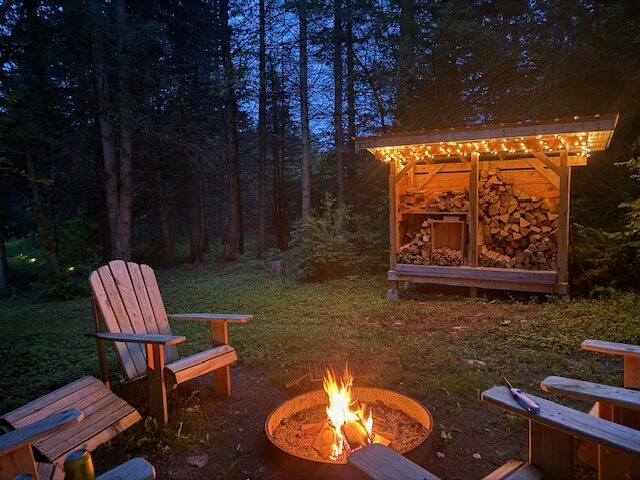
A great fire is key on any camping trip. For starters it has to be dry – something that almost never happened prior to building a woodshed by the firepit (in the feature pic). But even when dry, sometimes it’s hard to guess how a fire will burn. Will it smoke? Will it throw a ton of heat? Will it smell good? Not all firewood is created equal. Knowing what types of wood to use, how to store it, and how it burns can make a ton of difference.
So, without further ado, here’s a guide that breaks down the most common firewood (in the Northeast anyway), some of its features, and how to use it to build that perfect campfire.
So Why Does Firewood Choice Matter?
Well, for a few reasons. Such as:
- Heat Output: Hardwoods burn longer and hotter than softwoods.
- Smoke & Sparks: Some woods create a ton of smoke and throw popping embers at you when you’re just sitting there minding your own business.
- Scent: Certain woods (like cherry or apple) smell amazing as they burn.
- Local Availability: Using local wood is easiest, supports sustainability and avoids transporting pests like the ash borer.
- Legality: In New York, it’s illegal to transport firewood more than 50 miles unless it’s certified pest-free. A big reason we decided to supply firewood at our camp was to avoid nasty bugs from being brought in.
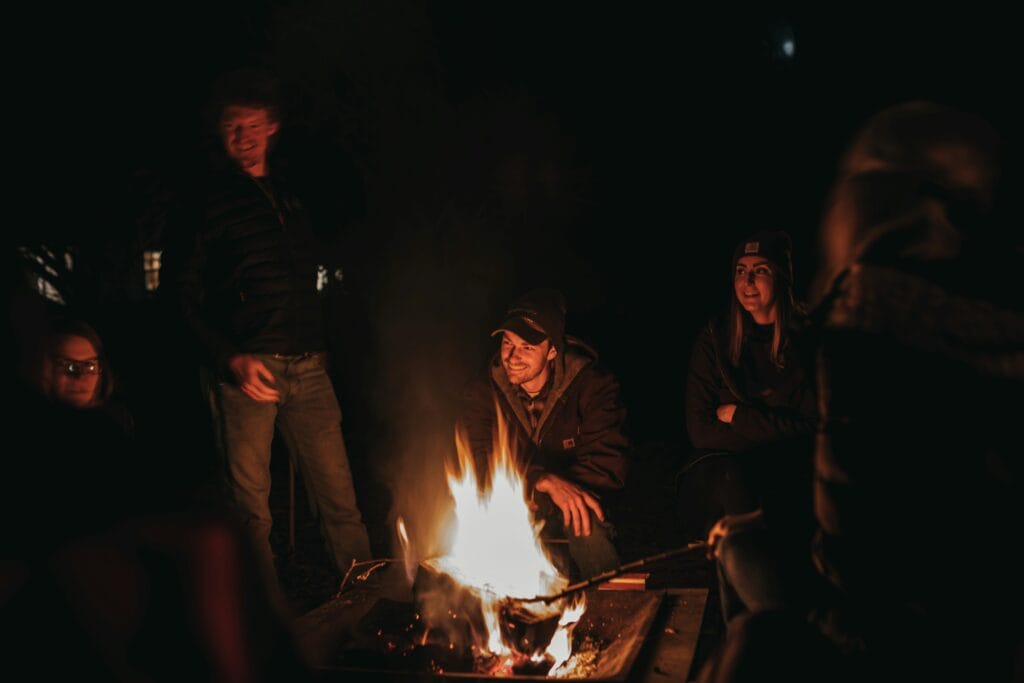
Best Local Firewoods for Outdoor Fires
Here are some of the best options for firewood that you’ll find in the forests and woodlots in the Northeast:
1. Oak (Red or White)
- Heat Output: Excellent (BTU ~24-26 million/cord)
- Burns: Long and hot with not a lot of smoke
- Notes: Needs at least a year to season properly
- Ideal For: Long, steady campfires and cooking
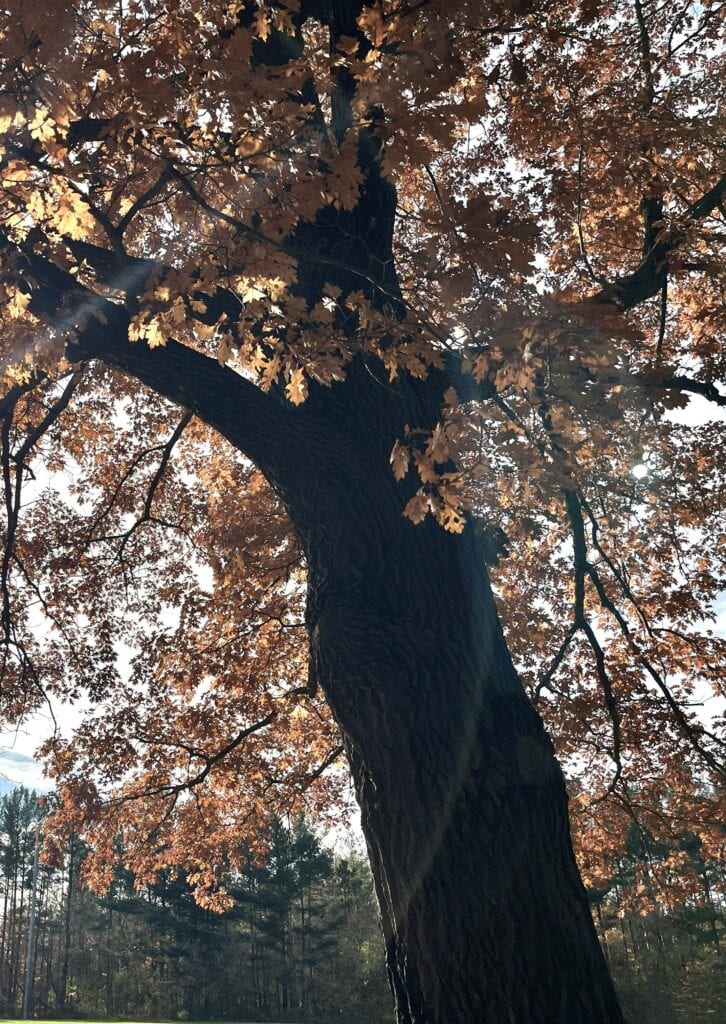
2. Sugar Maple (Hard Maple)
- Heat Output: Excellent
- Burns: Clean with good coals and a sweetish smell
- Notes: Takes a year or more to season
- Ideal For: Pleasant and pretty fires with long-lasting heat
3. Beech
- Heat Output: Very good
- Burns: Hot and clean with low smoke
- Notes: Hard to split, but worth it
- Ideal For: Cold nights when you need a lot of heat
4. Birch (Yellow or White)
- Heat Output: Moderate to high
- Burns: Bright and fast with a nice scent
- Notes: Quick seasoning, but burns quickly
- Ideal For: A cheerful fire with visual flair
5. Cherry
- Heat Output: Moderate
- Burns: Clean with a pleasant smell and low smoke
- Notes: Great for mixed fires
- Ideal For: Relaxing fires and for cooking on
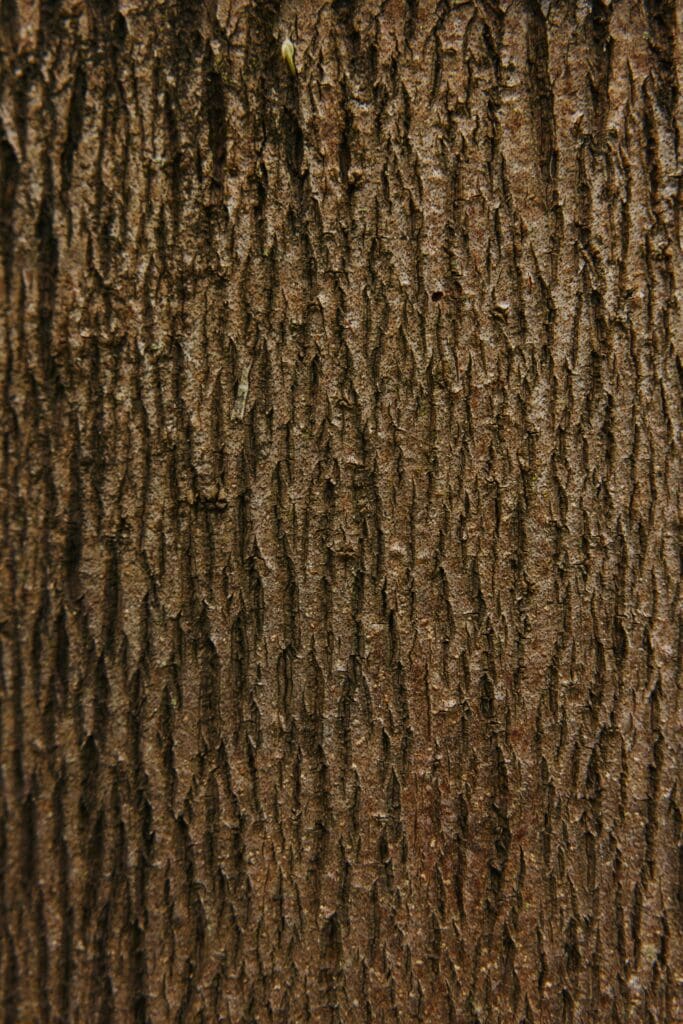
6. Ash (White or Green)
- Heat Output: Good
- Burns: Even and hot, even when not fully seasoned
- Notes: One of the easiest woods to work with
- Ideal For: Fires when you’re short on time to season Because of the Ash borer, unfortunately the majority of Ash is dead or dying in the region. As a firewood source its by far the most plentiful.
7. Apple or Fruitwood
- Heat Output: Good
- Burns: Smells great, with steady flames
- Notes: Rare unless you have orchard connections
- Ideal For: Cooking or pleasant smelling fires
Firewoods to Avoid or Use With Caution
1. Pine and Other Softwoods
- Issue: Burn hot and fast, with lots of sap and creosote
- Use For: Kindling or quick warmth
- Avoid: In enclosed fireplaces or stoves
- If it’s dry enough, burning it outside is fine – it just won’t burn as long or as hot.
2. Green or Unseasoned Wood
- Issue: Smoky, inefficient, and hard to light
3. Driftwood
- Issue: Can contain salt, which produces toxic fumes
- Avoid: Especially for cooking fires
4. Treated or Painted Wood
- Issue: Releases harmful chemicals when burned.
BTUs and Burn Qualities
BTUs (British Thermal Units) measure how much heat wood produces. The higher the BTU, the longer and hotter the fire. Here’s a chart for quick comparison:
| Tree Type | BTU (Million/Cord) | Burn Quality |
|---|---|---|
| Oak | 25-26 | Excellent heat, slow burn |
| Maple | 24-25 | Clean, steady burn |
| Birch | 20-22 | Bright, aromatic |
| Pine | 15-17 | Fast burn, crackles |
| Ash | 23-24 | Even, steady burn |
How to Season Firewood
Seasoning is drying wood until it reaches the best moisture level for burning. Here are some pointers:
- Split the wood: Increases surface area and speeds up drying
- Stack off the ground: on pallets works great.
- Cover the top only: Let air circulate around the sides
- Allow 6–12 months minimum: Some hardwoods (see above) take a full year or more
- Test the moisture: If you want to get fancy you can use a moisture meter (should read under 20%). Fun fact: you can very quickly season wood in a microwave oven (I’ve used this method for wood working projects) , but probably not the best method for firewood.
How to Store Camp Firewood
Upstate NY winters and rainy springs can ruin your firewood if not stored correctly.
- Location: Choose a dry, elevated spot away from buildings(to avoid attracting mice, ants, bees, etc)
- Stacking: Crisscross ends to allow airflow and prevent tipping
- Cover: Only the top, with a tarp or roof (Our woodshed works perfectly!)
Legal & Environmental Notes for Upstate NY
- Firewood Transport Rules: It’s against the law to move firewood more than 50 miles unless it’s kiln-dried and certified.
- Emerald Ash Borer & Other Pests: Unfortunately, there are a lot of infested areas. People should be very careful not to spread the infestation any quicker.
- Burn Ban Periods: In this area there is usually a burn ban until May 15th and during exceptionally dry times during the summer. This is to avoid fires when there isn’t a lot of moisture and green in the forests and fields.
- Local Fire Safety: Fire rings are an excellent idea, as well as knowing what lies below it. In a pine forest, needles can be extremely deep. Fires can continue to burn far under the ground undetected, threatening the forest and everything around it.
A Few More Fun Firewood Facts
- Seasoned wood is lighter and sounds hollow when knocked (so don’t try it til you knocked it?)
- Splitting wood is easier in the winter when the moisture in the wood is frozen.
- A cord is 4 ft. x 4 ft. x 8 ft. A face cord 4 ft. x 16 inches x 8 ft. A face cord near us goes for around $80 – (our area is wooded and rural, so cheaper than in a lot of places). Taking the math a step further – there is about 250 pieces of wood in a face cord. If you can buy 10 pieces of firewood at a grocery store for about 8$, a face cord would cost you about $200 plus tax.
Final Thoughts
Choosing the right wood helps you build a cleaner, longer-lasting, and safer fire that’s perfect for your camping adventure. With a little knowledge and the right woodpile, every fire you build can be a warm and memorable one. Wishing you peace and warmth!
.
.
.
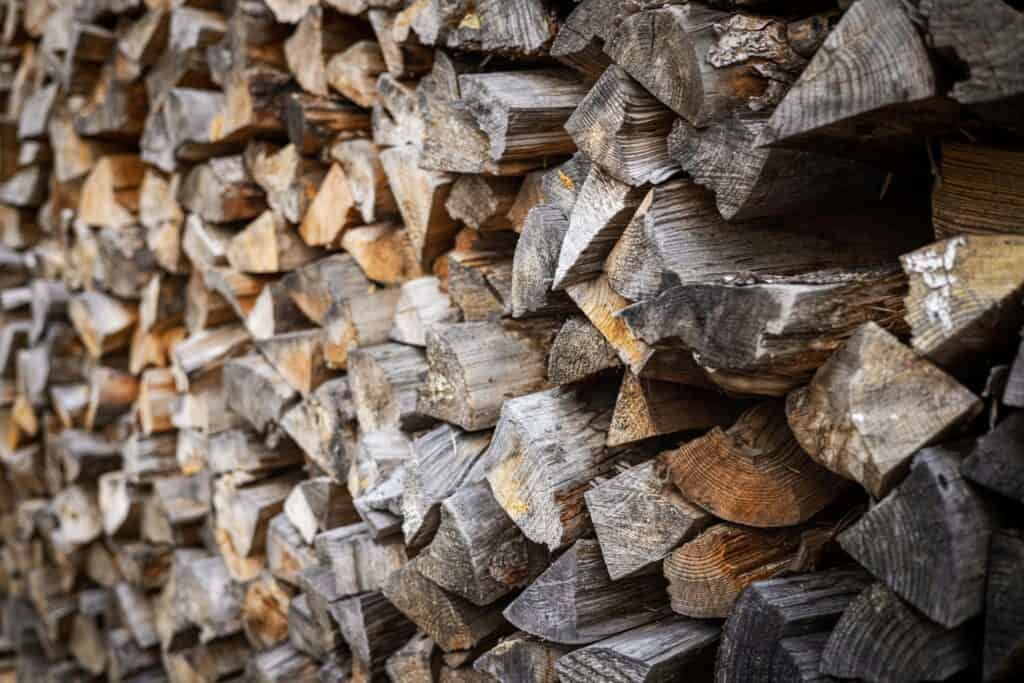
Photo by Rach Cohen on Unsplash