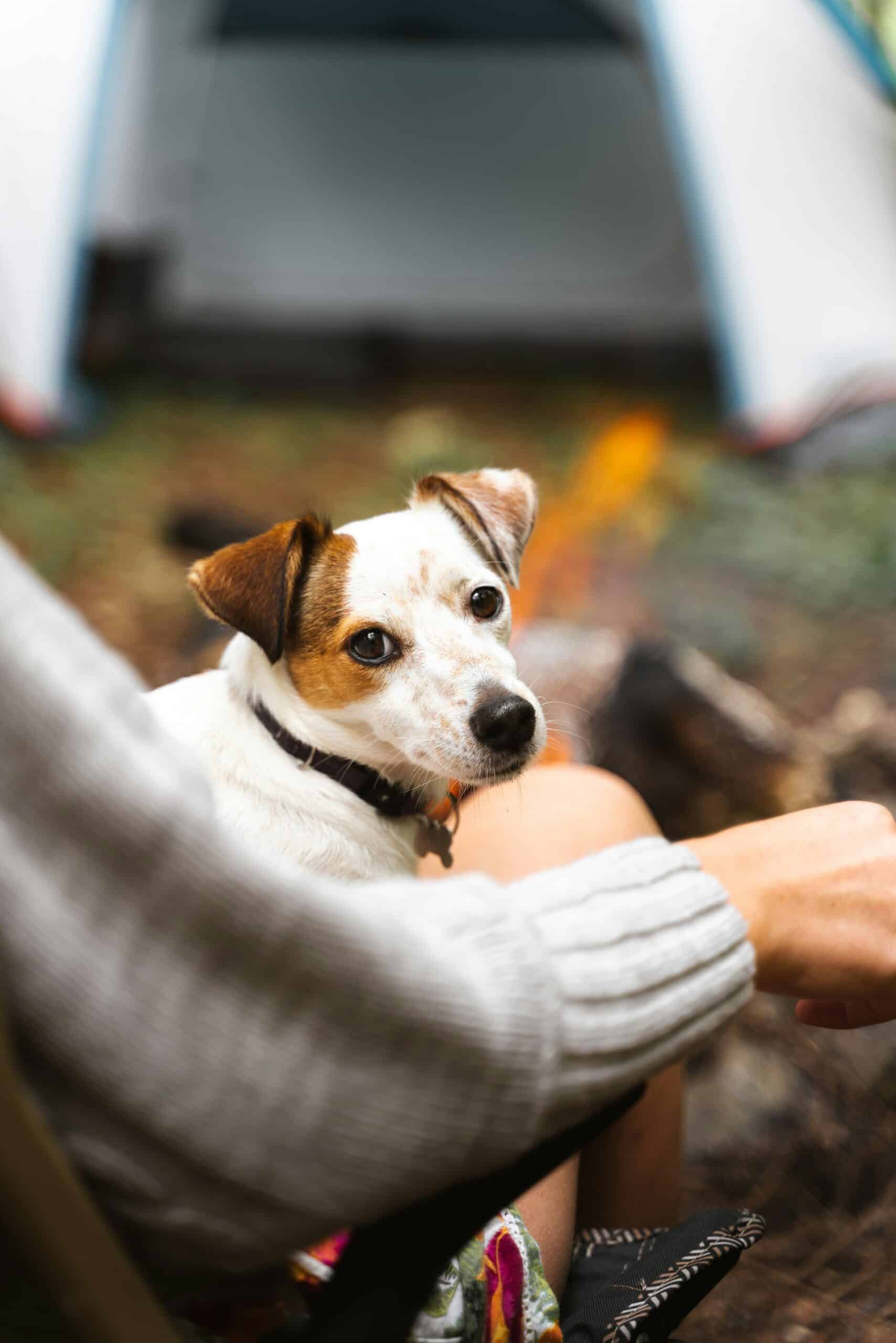
When I first started building my glamping campsite, an experienced host recommended that I didn’t allow pets. They had a tough experience one time, with a dog who was supposed to be friendly, but got aggressive with the other guests. Being an animal lover and knowing that, for many, pets are part of the family, I wasn’t sold on the pet ban, but also knew that there were risks involved.
Sure enough, one question kept popping up from potential guests almost from the beginning:
“Can we bring our dog?”
At first, I wasn’t sure how to respond. The idea of happy dogs and happy campers was wonderful, but I had concerns — about cleanliness (with our creek comes mud!), damage, noise, liability, and the guest experience overall. As my glampsite grew from a personal project to a business, I knew I needed to seriously consider whether or not to allow pets.
If you’re a campsite owner — or interested in becoming one — you may be wondering the same thing. So let me walk you through what we’ve learned – through research, advice from other hosts, and personal experiences. Here are pros, cons, and key considerations of allowing pets at a glamping site.
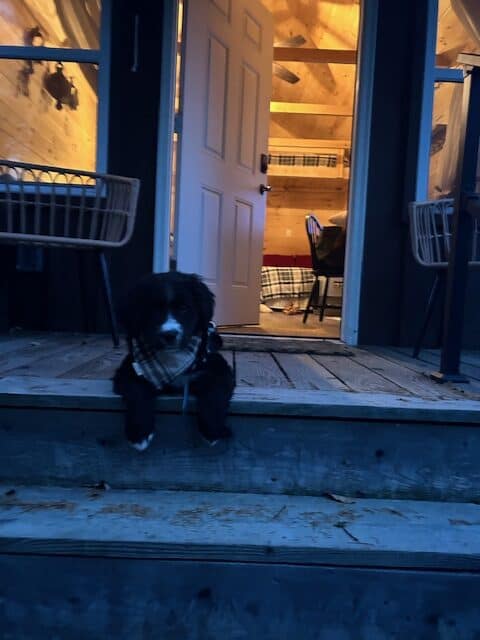
The Pros: Why Allowing Pets Can Be a Smart Move
1. It Expands Your Audience
Pet owners make up a huge portion of travelers. According to surveys from the American Pet Products Association, nearly 70% of U.S. households own a pet, and more than half of dog owners say they’ve skipped a trip because they couldn’t bring their dog.
By welcoming pets, you open your doors to a broader guest base — especially families, millennials, and remote workers who travel with their furry companions.
2. It Builds Loyalty
People are deeply attached to their pets. If a guest has a great experience traveling with their dog at your campsite, you’ll likely win a customer for life. They’ll return year after year and recommend your site to other pet owners.
3. It Sets You Apart
Not all glamping sites allow pets — which means you can become the go-to destination for travelers who are specifically looking for pet-friendly accommodations. This is especially true if you include thoughtful touches like a fenced-in area, dog bowls, or pet-friendly trails.
Our trails and private setting are perfect for dog adventures!
4. It Encourages Longer Stays
Guests with pets may stay longer, especially if they know their animal is welcome and safe. If someone doesn’t have to worry about getting home to let the dog out or pay for a sitter, they might book an extra night or two.
The Cons: Why You Might Think Twice
1. Property Damage
Even well-behaved pets can cause issues. Dogs might scratch doors, dig in gardens, chew furniture, or have accidents indoors. Cleaning up takes time and money, especially if you’re trying to maintain a luxury experience.
2. Noise and Disruption
Not every dog is quiet or calm. Barking dogs can disturb the peace for nearby glampers, especially in closely clustered cabins or tents. Worse, an aggressive pet could frighten or even injure another guest or animal on the property.
3. Allergies and Cleanliness
Even with deep cleaning, pet dander can linger — which could be a problem for future guests with allergies. It might also increase the frequency of cleanings or require switching to more pet-resistant materials in your cabins and tents.
4. Liability
If a dog bites someone, destroys property, or gets injured on your land, you could be held responsible. That’s a risk you need to weigh seriously — and may require changes to your insurance coverage or guest waiver forms.
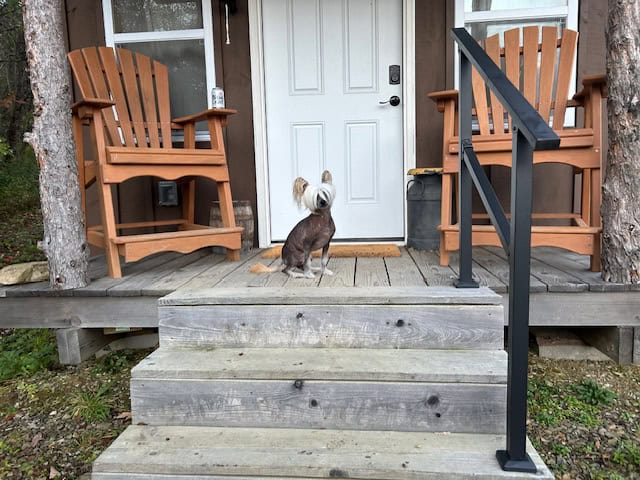
My Experience: What I Chose to Do and Why
After weighing the pros and cons, I decided to allow dogs. Our cabins are all mop-able and completely scrub-able. I ask potential guests if their dog is house broken and not prone to damaging things. So far there hasn’t been any problems (knock on wood)
1. Designated Pet-Friendly Units
I keep one of my cabins completely pet free, out of consideration for guests with allergies or concerns. Cabins with pet guests are cleaned and then cleaned again.
2. A Clear Pet Policy
I created a written pet policy that I can have pet owners read and agree to before booking. It covers:
- Maximum number of dogs (2)
- Cleaning up waste
- No pets on beds or furniture
- Guests are liable for any damage
Other hosts indicate:
- Breed and size restrictions (no aggressive breeds)
- Behavior expectations (leashed at all times, no barking)
Considering our very private setting, we can manage this on a case to case basis (and some dogs who are an aggressive breed are very sweet!)
This helps set expectations and reduces surprises on either end.
3. Charging a Pet Fee
I don’t do this yet, but may in the future. Many hosts charge a $25–$40 per stay pet fee, which covers the extra cleaning and wear-and-tear. Most pet owners expect this and are happy to pay it.
4. Amenities for Dogs
To make the experience better for both the dog and its family, it’s nice to provide:
- A dog bowl
- A few poop bags
- A tie-out lead or ground anchor
- A trail map for dog-friendly walks
These little touches go a long way in creating goodwill and positive reviews.
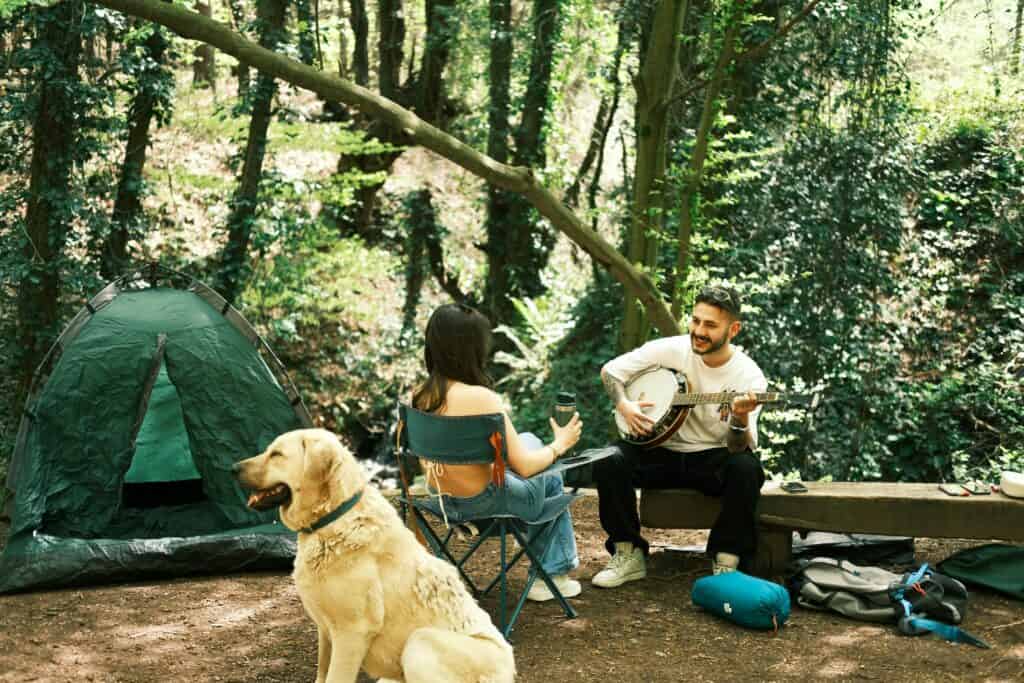
Things to Consider Before Making Your Own Decision
If you’re still on the fence, here are some important questions to ask yourself before allowing pets:
1. What Type of Structures Do You Have?
Canvas tents, yurts, and open-air accommodations may be more vulnerable to wear and tear than cabins or tiny homes. If your structures are easily damaged, you may want to limit pet access or only allow them in certain units.
2. How Close Are Your Units?
If cabins or tents are clustered closely, a barking dog could ruin the vibe for everyone. More spread-out units are more forgiving and better suited to pets.
3. Do You Have Outdoor Common Areas?
A communal firepit, picnic area, or shared trail? You’ll need to enforce leash rules and establish boundaries to avoid accidents or conflicts between guests and animals.
4. Are You Ready to Handle Complaints?
Even with rules, accidents happen. Are you ready to mediate between guests, clean up messes, or ask a guest to leave if their pet is a problem?
5. What Does Your Insurance Cover?
Before welcoming pets, talk to your insurance provider. Make sure you’re covered for pet-related injuries or damages, and consider requiring guests to sign a waiver or release of liability.
Alternatives to Full Pet-Friendly Status
If you’re not quite ready to go all-in on being a pet-friendly glampsite, consider these middle-ground options:
- Pet-friendly weekends only (off-season or lower-traffic times)
- Pet-friendly tents but not cabins
- Pet-free zone and pet zone divisions
- Offer dog-sitting services nearby (partner with a local provider)
- Build a fenced dog park or pet run to control where pets roam
These hybrid solutions let you test the waters without fully committing — and see how guests respond.

Final Thoughts: It’s Your Land, Your Rules
At the end of the day, whether or not you allow pets at your glamping campsite is a personal and business decision. You know your land better than anyone else. You know your goals, your comfort level, and the kind of experience you want to offer.
For me, allowing pets in a controlled way has been a positive decision. It brings in more guests, creates memorable experiences for families, and gives the glampsite a warm, welcoming vibe. But it does come with extra responsibility — from cleanup to enforcement to the occasional awkward phone call.
If you’re ready for that, and if you set clear boundaries, you might find that a few muddy paw prints are worth it.
Key Takeaways:
- Allowing pets expands your audience and builds loyalty but requires careful planning.
- Designated pet-friendly units, clear rules, and a pet fee can help manage the downsides.
- Insurance, liability, noise, and cleanliness must all be considered.
- Alternatives like seasonal policies or partial pet zones are great ways to test the waters.
.
.
.
.
Photo by Jake Fagan on Unsplash