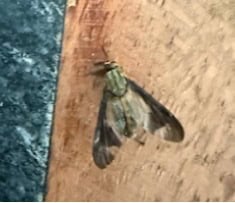
If you’ve ever felt a sharp stabbing on the back of your neck while hiking or hanging out at camp, chances are you’ve met up with a deer fly. These sneaky and persistent insects are among the most frustrating bugs campers deal with—especially in warm, wooded areas near water.
In this article, we’ll explore what deer flies are, how they behave, what attracts them, what repels them, and the most effective ways to keep them from biting you.
What Are Deer Flies?
Deer flies (Chrysops spp.) are biting insects related to horse flies. They’re usually larger than black flies or mosquitoes, with a unique look: they have clear wings with dark stripes across them and have bright green or gold eyes. Adults are about 1/4 to 1/2 inch long.
Only the females bite, needing blood to develop their eggs. Males feed on nectar and plant juices. Deer flies are most active in early to mid-summer, often during the same time as black fly and mosquito season—making them a triple threat.
How Deer Flies Behave
Deer flies are known for their persistent pursuit of blood. Unlike mosquitoes, which often go unnoticed until after they’ve bitten, deer flies are fast, aggressive, and not afraid to land repeatedly. They target large mammals—including humans, deer, horses, and dogs—and will circle non-stop.
They like warm, humid days with little wind and are active mostly in the daytime, especially late morning through afternoon. You’ll find them in sunny, damp settings: wooded trails, wetlands, forest edges, and especially near water.
Their bites are painful because they slice the skin open with scissor-like mouthparts, instead of piercing like mosquitoes. This causes a sharp sting, followed by bleeding and irritation. Some people have a strong reaction, with swelling, redness, or welts.

What Attracts Deer Flies?
To avoid deer flies, it helps to know what they’re looking for. Here’s what attracts them:
- Movement: Deer flies are visual hunters. They’re highly attracted to motion, especially the movement of large, warm bodies—like people hiking through the woods.
- Carbon dioxide (CO₂): Like many biting insects, deer flies hone in on the CO₂ exhaled by animals and humans.
- Dark colors: They are particularly drawn to dark blue, black, and brown clothing.
- Heat and moisture: They seek out warm, moist environments and are more likely to bite when you’re sweating.
- Reflected light: Their compound eyes are sensitive to shiny, moving reflections—hats, sunglasses, and even water can attract them.
What Repels Deer Flies?
Deer flies are known to be difficult to deter, but certain repellents and strategies can help keep them at a distance.
1. DEET
DEET-based repellents offer partial protection, especially when applied frequently. While not a guaranteed deterrent for deer flies, they can reduce bites, especially when combined with other methods.
2. Picaridin
This is another common repellent with some effectiveness against deer flies. It has less odor and skin irritation potential than DEET.
3. Permethrin
Permethrin-treated clothing is great defense. It repels and kills deer flies on contact. You can treat your gear at home or purchase pre-treated.
4. Essential Oils
Some natural oils—like citronella, geranium, and eucalyptus—may provide limited relief, but they need to be reapplied often and are less effective than human made options.
5. Deer Fly Patches
One of the most effective and unique tools is a deer fly patch—a sticky pad you place on the back of your hat. As the flies circle around your head to land, they get trapped on the adhesive patch. Many campers and hikers swear by this trick in heavily infested areas.

How to Avoid Being Bitten by Deer Flies While Camping
Avoiding deer fly bites requires a multi-pronged approach. Here are the best ways to protect yourself on your next camping trip:
1. Avoid Peak Season or Time of Day
Deer flies are most active from late June through August, especially on warm, humid days. If possible, plan your camping trips for early spring or late summer. During the day, avoid hiking or lingering in wet, shady areas during late morning and early afternoon.
2. Choose Your Campsite Carefully
Avoid camping near wetlands, streams, and low-lying damp forest. Deer flies breed near water and in swampy areas. Set up camp in higher, drier ground with more sunlight and a breeze—windy areas are naturally deer fly resistant.
3. Wear the Right Clothing
- Choose light-colored clothes, which are less attractive to deer flies.
- Wear long sleeves and long pants, tucking your pants into your socks.
- Use permethrin-treated clothing for added protection.
- A wide-brimmed hat with a sticky deer fly patch on the back is highly effective.
- In high-density areas, a bug net head covering can prevent bites to the face and neck.
We’re right in the middle of deer fly season here- long-sleeved, light-colored shirt and pants, a hat, and repellent with deet make the world of difference!

4. Stay on the Move—Or Stay Inside
Deer flies are fast and follow movement. If you’re walking through an infested area, keep moving and avoid stopping. Once you pause, they zero in. When at camp, think about using screened shelters, tents with full bug netting, or mesh jackets to keep them out.
5. Build a Smoky Campfire
Like other flying pests, deer flies dislike smoke. Keeping a smoky fire burning, especially near high-traffic areas like your kitchen or dining zone, can help create a buffer.
6. Use Fans or Breezes to Your Advantage
Set up camp in a breezy area if possible. Flies have a harder time flying in wind. Portable battery-powered fans can also help protect areas from flying pests.
7. Avoid Strong Scents
Deer flies aren’t as sensitive to scent as mosquitoes, but it’s still good to avoid scented lotions, shampoos, and soaps while camping. Stick to unscented or “bug-safe” products.
Treating Deer Fly Bites
Deer fly bites can cause immediate pain, followed by swelling and itching. Here’s how to deal with them:
- Clean the bite with soap and water.
- Apply a cold compress to reduce swelling and pain.
- Use hydrocortisone cream or calamine lotion for the itching.
- Antihistamines like Benadryl can help with more severe reactions.
- Avoid scratching to prevent infection and scarring.
In rare cases, deer fly bites can lead to bacterial infections or transmit diseases like tularemia, although this is uncommon. If you develop a fever, chills, or unusual redness around a bite, seek medical attention.
Natural Role of Deer Flies
As unpleasant as they are, deer flies play a role in the natural world. They are a food source for birds, frogs, fish, and dragonflies. Their larvae live in aquatic soil or mud, where they help break down organic matter. While they may be the curse of campers and hikers, they’re part of the balance of their ecosystems.
Final Thoughts
Deer flies may be one of the more persistent and painful pests you’ll come across while camping, but they don’t have to ruin your trip. By understanding their behavior and using a combination of smart gear choices, repellents, and campsite strategies, you can significantly reduce your chances of getting bitten.
With the right plan, you can enjoy the woods, lakes, and trails this summer—without becoming a moving buffet for deer flies.
.
.
.
.
Photo by Kvng Skylark on Unsplash
Photo by Ninan John on Unsplash
Photo by Greg Rosenke on Unsplash